Chinese
 Spanish
 French
 Russian
 German
 Portuguese
 Indonesian
 Thai
 Vietnamese
 Arabic


pH meter electrode compatibility requires three separate matches: the pH signal input, the temperature channel and the electrode's suitability for the sample. A BNC plug that locks into the meter proves a mechanical connection, not that an attached temperature sensor or the complete measurement system is compatible. Before ordering a replacement, identify the meter and electrode, establish how temperature reaches the meter, and define a check using both buffers and the intended water sample. This determines whether to replace only the pH electrode, buy a matched assembly or retain separate spare kits.
Why a spare electrode can create a hidden measurement error
A replacement can produce a plausible pH value while leaving temperature measurement incorrect or unavailable. The operator may see a steady number and assume the whole system works. Automatic temperature compensation, or ATC, adjusts the temperature-dependent electrode response; it does not correct sample deterioration or convert every sample to its pH at another temperature.
A second risk appears after successful buffer calibration: the new electrode may respond poorly in the actual water. Junction condition, sample composition, immersion and temperature equilibrium still matter. Changing the meter is rarely the first useful response to a problem confined to the probe or its application. Preserve the original readings and settings before disturbing the system so the replacement decision has a comparison point.
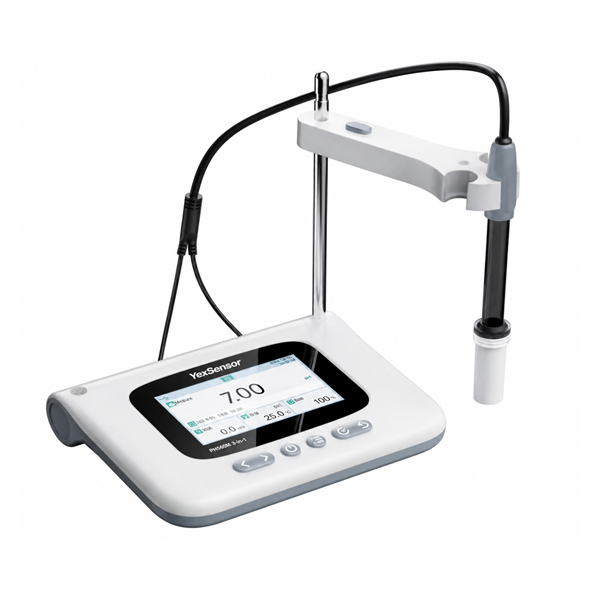
pH meter electrode compatibility: what the two meters document
The documented inputs provide a starting point for a replacement specification. They do not establish a cross-model temperature-probe interchange list. Use each meter's own performance limits when agreeing acceptance criteria.
| Model | Documented parameter | Condition and purchase implication |
|---|---|---|
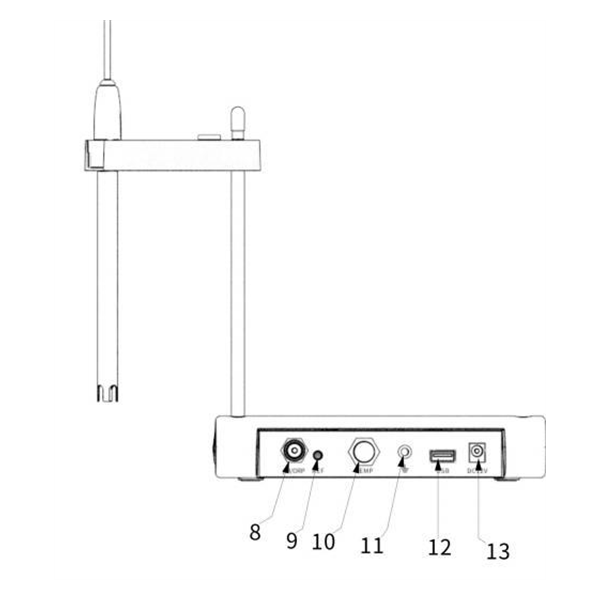
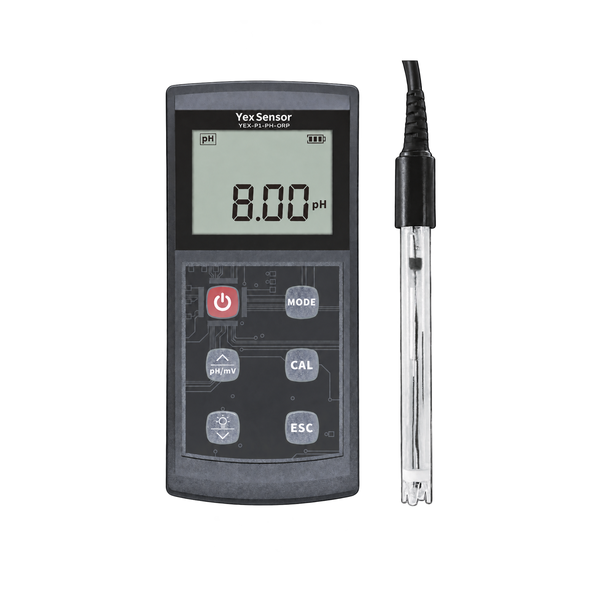
| YEX-P1-PH-ORP | BNC electrode input; separate 3.5 mm temperature input | Specify the compatible pH electrode and temperature sensor separately. A pH connection alone does not supply sample temperature. |
| YEX-P1-PH-ORP | 0.00–14.00 pH; 0.01 pH resolution; ±0.02 pH accuracy | Assess the complete electrode, calibration and sample procedure against the required result. Display resolution is not an acceptance tolerance. |
| YEX-P1-PH-ORP | Temperature range 0.0–80.0 °C | ATC requires a correctly connected temperature sensor immersed in the sample. Electrode temperature suitability needs its own specification. |
| YEX-L1-PH-ORP | BNC electrode input; dedicated temperature-probe input | Obtain the matching temperature-probe identification and connection details rather than transferring the portable meter's socket specification. |
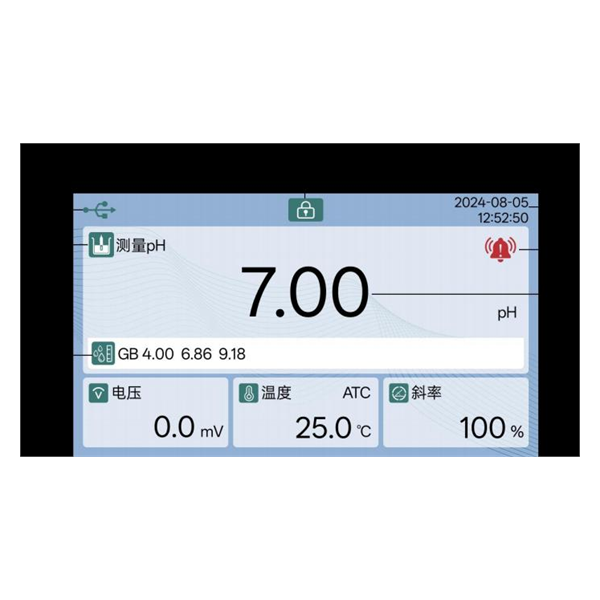
| YEX-L1-PH-ORP | 0.01 pH resolution; ±0.05 pH indication error; automatic 1–5 point calibration | Select the supported buffer group and working calibration points. A replacement must perform through the laboratory's full verification procedure. |
| YEX-L1-PH-ORP | ATC/MTC; USB measurement and calibration record export | Record the temperature-compensation mode and preserve available calibration evidence. Manual temperature entry must follow the applicable method. |
Consult the individual YEX-P1-PH-ORP portable meter specifications and YEX-L1-PH-ORP bench analyzer specifications. Neither a shared BNC input nor the presence of ATC proves that their temperature probes are interchangeable.
Choose the replacement scope from the evidence
Replace the part associated with the demonstrated fault, then verify the resulting combination. Buying a complete kit can simplify responsibility, but it cannot remove the need to assess the water and the method.
| Observed condition | Evidence needed | Appropriate decision |
|---|---|---|
| Existing temperature channel is correct; pH electrode has deteriorated | Matching pH-input specification, appropriate electrode construction and successful replacement checks | Consider replacing only the pH electrode while retaining the supported temperature probe. |
| pH reads, but temperature is absent or implausible | Temperature-probe identity, sensor specification, connection details, mode and an independent temperature comparison | Investigate the temperature path before replacing the pH electrode or meter. |
| Two temperature plugs look identical | Meter-specific approval, sensor characteristics and connection assignment | Do not declare interchangeability from appearance. Use the documented matching component. |
| Buffers pass, but the intended water is slow or unstable | Sample composition, junction condition, immersion, temperature equilibrium and a controlled sample trial | Assess an application-suitable electrode and procedure, rather than another connector adapter. |
| One spare is intended for several meters | Compatibility documentation and separate acceptance results for every proposed combination | Standardize only the demonstrated combinations; otherwise maintain identified, separate kits. |
The useful comparison is the cost of a verified working combination, including consumables and record handling. For the separate decision about where measurement should occur, use the bench-versus-portable sampling guide; moving a sample and replacing an electrode introduce different risks.
Three replacement situations that need different checks
A laboratory keeps a serviceable temperature probe
In this hypothetical situation, a routine-water electrode becomes slow after cleaning and conditioning no longer restore verification. Temperature checks remain satisfactory. Replacing only the pH electrode may be reasonable if its input and sample specifications match. Record the old condition, install the approved replacement and repeat calibration, independent verification and a representative sample check. Retaining the temperature probe is justified by its documented compatibility and condition, not by saving one accessory.
A field kit moves between cold water and a warm room
A temperature probe left in the air while the pH bulb is in water cannot describe the bulb's actual sample environment. Put both sensing elements in the same sample, allow thermal equilibrium and compare temperature with an appropriate independent reference. Do this before treating pH disagreement as electrode failure. Keep the handheld unit and connections above the water; an exposed sampling location does not make the instrument immersible.
A replacement passes buffers but struggles in process water
A connector match does not establish resistance to oils, solids or other contaminants. Review the actual water, cleaning restrictions, reference junction and wetted materials, then test the proposed electrode in the intended vessel. The sensing bulb, junction and temperature sensor must reach the liquid without touching the bottom or obstructing one another. Do not specify a particular junction or material as available until it is identified in the proposed electrode's documentation.
Accept the pH and temperature paths separately, then together
Use a staged acceptance record so a satisfactory buffer result cannot hide a temperature or sample problem.
- Identify before connecting. Record meter model/version, old and proposed electrode identifiers, both connection functions and the relevant instructions. A photograph supplements the part identification; it does not replace an electrical specification.
- Prepare the physical system. Keep plugs clean and dry, support the cables and condition the electrode as instructed. On the bench, position the stand so the vessel leaves clearance around the sensing elements. Avoid pulling a connector sideways through the cable.
- Verify temperature independently. Use the required ATC or permitted manual mode and compare sample temperature with a suitable reference under the agreed procedure. Incorrect temperature must be resolved before judging compensated pH performance.
- Calibrate and check pH. Use fresh buffers, the correct supported group and points appropriate to the sample range. Follow with an independent check as required by the laboratory procedure. Define acceptable differences before the test, rather than inventing a universal replacement-electrode tolerance.
- Test the intended water and record route. Assess repeatability, stabilization and cleaning in the actual application. Preserve original readings, temperatures, modes, buffer identities and probe identifiers. Test the bench analyzer's USB export if electronic records are part of the order; do not assume the portable model provides that interface.
The laboratory pH calibration guide provides the wider calibration workflow. Here, the acceptance question remains whether this particular replacement works with this meter, temperature probe and water.
RFQ details that prevent an incomplete spare kit
Write the replacement requirement around an identified combination. The quotation and final order should distinguish the pH electrode, temperature probe, connecting cable, storage and cleaning materials, buffers and any separately required ORP electrode.
- Meter model/version, old probe identifiers and clear photographs of both connections.
- Water composition, expected pH and temperature, vessel opening, sample volume and available immersion depth.
- Required electrode materials, junction suitability, cable length and cleaning restrictions, supported by the proposed component's specification.
- Temperature-sensor compatibility evidence and a written list of the meter/probe combinations covered.
- Quantity, destination, documents, spare identification, acceptance procedure, record format and service terms.
Keep each compatibility statement tied to a component identifier. A quotation saying only “BNC pH electrode with ATC” leaves the temperature connection and verification responsibility unresolved.
Define your replacement-electrode combination
Provide the meter model, old electrode and temperature-probe identifiers, connection photographs, water composition, temperature range, vessel dimensions and required checks. Review the YEX-L1-PH-ORP bench configuration for laboratory applications.
Frequently asked questions
Q1. Does a BNC connector prove complete pH meter electrode compatibility?
A1. No. It establishes the physical connection, while temperature sensing and sample suitability remain separate questions. Identify whether the meter expects a compatible combination electrode or another documented arrangement, then check the temperature connection independently. Review the electrode's sample and temperature limits as well. Purchase against the meter model and proposed component identifier, and accept the complete combination through the agreed verification procedure.
Q2. How should acceptance separate pH-channel compatibility from temperature-channel compatibility?
A2. Check temperature against an appropriate independent reference under the specified procedure, recording the compensation mode. Then calibrate the pH channel with suitable fresh buffers and perform the required independent verification. Finally evaluate the intended water under controlled conditions. These stages distinguish a working pH input from a correct temperature path and an application-suitable electrode. Retain the component identifiers and original results so a failed stage leads to a specific corrective action.
Q3. What still needs verification when two temperature connectors look identical?
A3. The sensor characteristics, connection assignment and support by the exact meter version still need documentation. Connector diameter alone cannot establish those details. Obtain the instrument's approved probe identification or a written compatibility statement naming both components. After installation, check the measured temperature over the range relevant to the project. Do not invent a pinout or infer cross-model ATC compatibility from a matching plug or one plausible room-temperature reading.
Q4. When can the original temperature probe be retained after replacing only the pH electrode?
A4. Retain it when it remains a documented match for the meter, is undamaged and passes the required temperature checks. The replacement pH electrode must separately suit the pH input and the water. This can avoid purchasing an unnecessary temperature probe without compromising the measurement path. Record which component was retained and which was replaced, then repeat pH calibration, independent verification and the intended sample check before routine use.
Q5. How do sample chemistry and vessel size change the electrode choice?
A5. They determine whether the electrode can make stable contact with representative liquid and tolerate the exposure and cleaning procedure. Oils or solids can affect the junction; a narrow or shallow vessel can prevent proper immersion or place the bulb against a wall. Give the supplier the water composition, temperature and vessel dimensions. Select from documented component specifications and a relevant trial, rather than treating every electrode with the same plug as equivalent.
Q6. Can a digital online pH sensor replace a laboratory BNC electrode?
A6. Do not assume it can. A digital sensor and an analog electrode present different signal interfaces; a mechanical adapter cannot be presumed to perform the required conversion or provide meter support. Check the exact input and communication architecture before selecting a replacement. The YEX-L1-PH-ORP documentation identifies a BNC electrode input and USB record export, which does not establish a digital online-sensor input. Use a documented matching measurement system.
Q7. What evidence should a supplier provide for a proposed replacement electrode?
A7. The offer should identify the electrode, compatible meter/version, sample and temperature limits, connection details, required accessories and storage/cleaning instructions. If temperature is integrated or a separate probe is proposed, the evidence must cover that channel too. Agree the acceptance method and responsibility for a mismatch before ordering. For shared stock across several meters, obtain a specific compatibility matrix instead of a generic statement that the electrode is universal.
Q8. What should the incoming acceptance record include after electrode replacement?
A8. Record the meter and probe identifiers, received accessories, inspection condition, temperature comparison, compensation mode, buffers, calibration evidence and independent check results. Include the intended sample's behavior and any cleaning or stabilization conditions that affect repeatability. Preserve the results before and after replacement where available. Acceptance limits should come from the project or method, with failed checks resolved before release; the meter's displayed resolution alone is not a valid pass criterion.
Summary
Select a replacement through the pH input, temperature path and actual water application together. The YEX-P1-PH-ORP documents BNC and separate 3.5 mm temperature inputs; the YEX-L1-PH-ORP provides BNC, a dedicated temperature input and USB record export. These facts define useful purchase checks without establishing cross-model probe interchangeability. Install clean, supported connections, verify temperature and pH separately, then test the complete combination in the intended sample. A useful RFQ identifies every component, sample condition, accessory and acceptance record needed for that decision.