


 Chinese
 Spanish
 French
 Russian
 German
 Portuguese
 Indonesian
 Thai
Thai Vietnamese
 Arabic

A defensible pH meter calibration procedure must bracket the sample range, use fresh traceable buffers, control temperature, define electrode preparation and stability, preserve as-found evidence, and state acceptance criteria. Calibration is not complete merely because the instrument accepts a buffer and displays a slope.
Why Calibration Is a Purchasing Issue
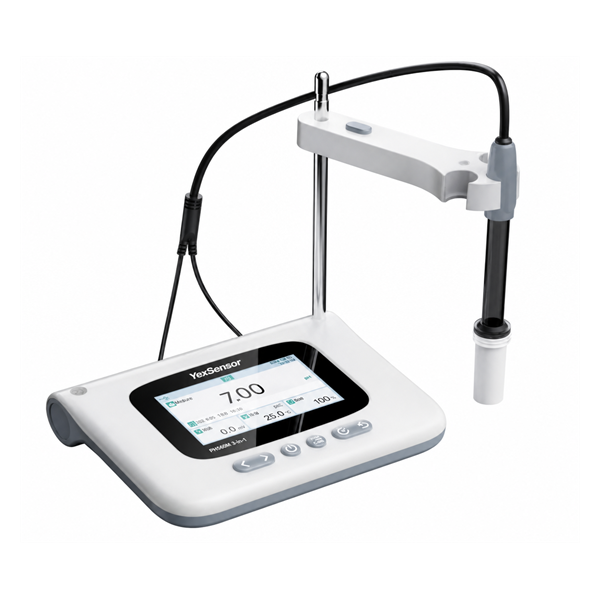
Industrial laboratories do not buy a pH meter only for its range. They need repeatable results between operators, batches and sites. The delivered package must include the correct electrode, temperature probe, stand, adapter, accepted buffer group, record path and documentation. If these items are unclear, the laboratory may receive a meter that cannot execute its established method.
Weakly buffered water, high ionic strength, viscous samples, oils, proteins, extreme pH and changing temperature can slow response or shorten electrode life. A general-purpose glass electrode is not automatically suitable for every matrix. Procurement should identify sample chemistry, expected pH, temperature, frequency and cleaning restrictions before selecting the electrode and calibration schedule.
Verified YEX-L1-PH-ORP Specifications
| Item | Verified specification | Meaning for the laboratory |
|---|---|---|
| pH range | -2.00–16.00 pH | Range does not guarantee that one electrode suits every extreme matrix |
| pH resolution / indication error | 0.01 pH / ±0.05 pH | Acceptance limits must use indication error and method uncertainty, not display resolution alone |
| ORP range | ±1900 mV | Use the corresponding ORP electrode and method when redox is required |
| ORP resolution / indication error | 0.1 mV / ±0.1% F.S. | Keep ORP expectations separate from pH calibration performance |
| Temperature | -10–110 °C; 0.1 °C resolution | System temperature accuracy is ±0.5 °C from 0–60 °C |
| pH calibration | Automatic 1–5 point; GB, USA, NIST/INST and DIN groups | Choose one recognized group and document exact buffer values |
| Temperature compensation | ATC or MTC | Connect the temperature probe for ATC; use MTC only when the method allows it |
| Measurement modes | Continuous, interval and equilibrium | Standardize endpoint selection between operators |
| Data interface | USB record export | RS485/Modbus is not specified; confirm file needs before purchase |
| Protection / power | IP54; 12 VDC, 1 A | Use on a dry bench; this is not a field-submersible instrument |
Specification basis: the values above were checked against the current YexSensor YEX-L1-PH-ORP product information on October 6, 2026. Confirm the electrode type, temperature probe, buffer group, accessories, record requirements and acceptance method in the approved quotation.
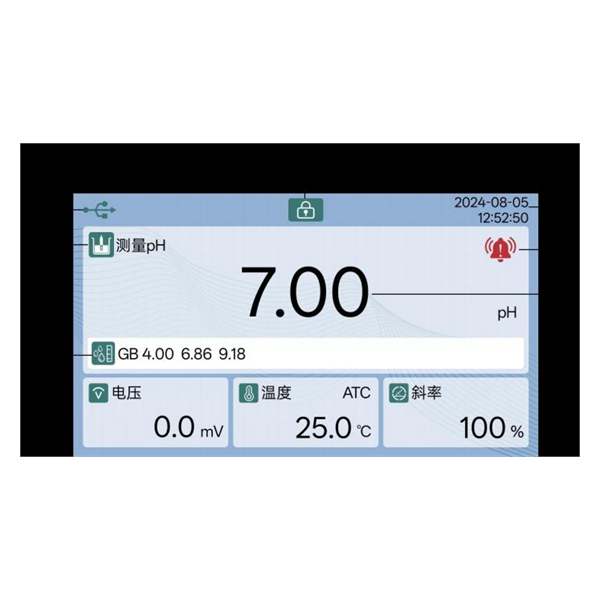
The meter also supports interval measurement up to 99 readings with intervals up to 999 seconds. Equilibrium mode provides Fast 0.5 mV, Medium 1 mV, Slow 2 mV and a custom stability setting. These controls help standardize when a result is accepted, especially when samples respond slowly.
How to Choose Calibration Points
| Sample duty | Calibration approach | Decision boundary |
|---|---|---|
| Narrow routine range near neutral | One or two points when permitted by the method | Verify with an independent check buffer near the decision range |
| Acidic process samples | Use neutral plus acidic point that brackets samples | Do not extrapolate across an unverified alkaline range |
| Alkaline process samples | Use neutral plus alkaline point that brackets samples | Control carbon-dioxide exposure and buffer condition |
| Wide or mixed sample range | Use three or more suitable points | Confirm electrode condition across the full operating span |
| Critical release or investigation | Method-defined multipoint calibration plus independent verification | Retain as-found, slope, check result and corrective action |
More points are not automatically better if buffers are contaminated or outside the sample range. Select a consistent buffer group—GB, USA, NIST/INST or DIN—rather than mixing nominal values from different sets. Record manufacturer, lot, expiry, certified value, temperature and opening date. Dispense small working portions and do not pour used buffer back into the stock bottle.
Recommended pH Meter Calibration Workflow
1. Inspect and prepare
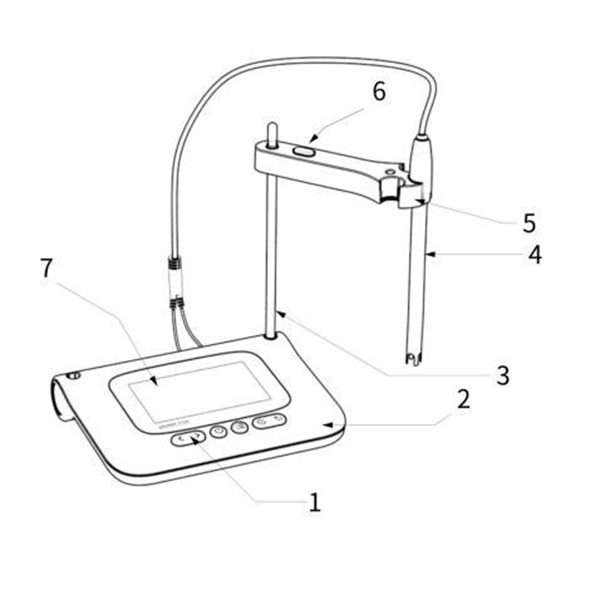
Check the glass bulb, junction, cable and BNC connector. Condition the electrode according to its instructions. Keep the connector dry and store the pH electrode in the specified KCl solution—not dry and not in deionized water. Confirm buffer condition, temperature probe connection, date, operator and calibration due status.
2. Control temperature
Allow electrode, buffers and temperature probe to reach a stable condition. With the probe connected, ATC compensates the electrode’s temperature-dependent response. It does not convert the actual sample chemistry to what its pH would be at 25 °C. If the method requires a reference temperature, use the method’s separate correction or temperature control.
3. Rinse without contaminating buffers
Rinse with pure water and gently blot residual drops using lint-free tissue. Do not wipe the glass membrane. Use a fresh working portion for each buffer and avoid carrying one buffer into the next. Immerse consistently and avoid contact with the vessel bottom.
4. Calibrate from the method-defined sequence
Follow the selected buffer group and allow the instrument to accept a stable point. Review displayed slope and potential rather than relying only on a success message. If a point fails, investigate buffer, temperature, electrode hydration, junction, connector and interference before repeating.
5. Verify independently
Measure a check buffer not used as the adjustment point, or follow the laboratory’s approved verification. Record as-found status, calibration points, slope, check result and acceptance decision. If the check fails, define which previous results require review.
Application Scenarios and Calibration Decisions
Wastewater neutralization
Challenge: samples may span acidic and alkaline conditions and contain solids. Procedure: use calibration points that bracket the operating range, control mixing and define electrode cleaning. Value: the laboratory can verify dosing performance without extrapolating outside the calibrated region.
Industrial quality-control laboratories
Challenge: repeated batches require comparable endpoints and traceable records. Procedure: use equilibrium mode, controlled temperature, a defined check buffer and USB record retention. Value: results are easier to review between operators and production lots.
Low-conductivity water
Challenge: weak buffering can produce slow drift and unstable junction potential. Procedure: select a suitable electrode, minimize contamination, use a defined stability criterion and avoid excessive stirring. Value: the laboratory avoids accepting the first transient value as a final result.
Environmental monitoring laboratories
Challenge: varied sample matrices arrive from multiple sites. Procedure: bracket the planned range, log temperature, examine calibration and measurement records, and separate field from laboratory methods. Value: the program can compare campaigns with clearer method evidence.
Common Calibration Errors and Corrective Action
Frequent problems include expired or contaminated buffers, mixed buffer groups, incorrect temperature input, a dry or coated electrode, wiping the glass, inconsistent immersion, electrical noise and acceptance before stability. When calibration fails, replace the working buffer first, inspect and condition the electrode, check the temperature probe and move away from noisy equipment. Do not repeatedly force acceptance without finding the cause.
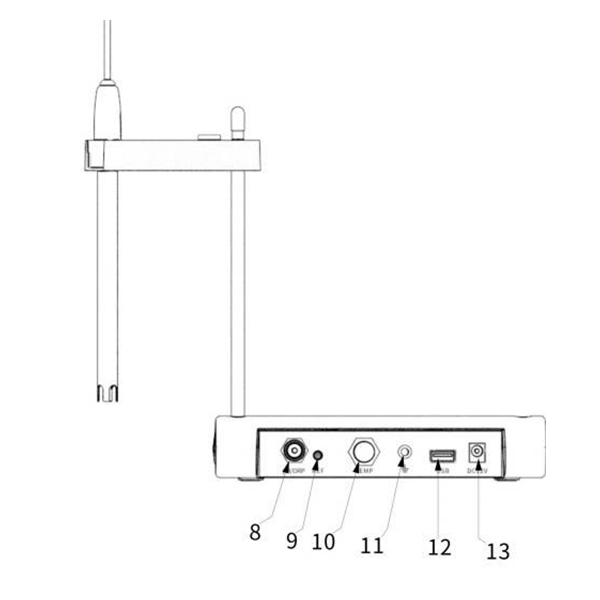
Place the instrument on a stable dry bench, keep BNC and reference inputs clean, and route cables away from motors, variable-frequency drives and strong electromagnetic fields. Use the ground terminal according to laboratory practice. If moving the instrument changes drift, investigate grounding, power and electrode condition before assuming the meter is defective.
Important boundary: calibration adjusts the meter-electrode system against known buffers. It does not make an unsuitable electrode compatible with every sample or correct sampling, contamination, temperature-control and method errors.
Set Calibration Frequency from Evidence
A fixed interval is a starting point, not proof that calibration remains valid. Frequency should reflect sample matrix, daily workload, electrode age, temperature cycling, cleaning, storage and the consequence of an incorrect result. A two-week interval may be a practical initial schedule for routine work, but aggressive or critical applications may need daily verification or calibration before each batch.
Track check-buffer results, slope, response time and failed calibrations. If performance remains comfortably inside limits, the laboratory may justify its interval according to the quality system. If checks drift, shorten the interval and investigate buffer handling, electrode condition and method consistency. After electrode replacement, major cleaning, repair, abnormal storage or a failed QC result, calibrate and verify before releasing samples.
Configure the meter’s 0–168 hour reminder to support the approved schedule, but do not treat the reminder as the quality system. The SOP must still define who performs calibration, which buffers are used, acceptance limits, records, corrective action and review of potentially affected results.
Selection and Procurement Guidance
Choose YEX-L1-PH-ORP when the laboratory needs pH, ORP and temperature with automatic multipoint calibration, ATC/MTC, stability-controlled measurement and USB records. It is suitable for offline laboratory samples. It is not a direct PLC instrument: the current manual specifies USB and does not list RS485/Modbus. Continuous control requires an online YexSensor pH or ORP sensor and an appropriate controller or gateway; the dual-output pH sensor PLC retrofit guide covers that separate application.
Price depends on the main unit, electrode types and quantities, temperature probe, reference electrode if required, stand, adapter, buffers, storage solution, cleaning supplies, spare electrodes, documentation, inspection, training, quantity and destination. Warranty treatment of electrodes and consumables should be stated separately from the main instrument.
Provide sample matrix; expected pH and ORP range; temperature; daily tests; buffer group and quality procedure; required electrodes; endpoint mode; record and file requirements; interference environment; acceptance criteria; quantity, destination and schedule. Review the YEX-L1-PH-ORP analyzer and Send Your Project Requirements.
FAQ About pH Meter Calibration
Technical questions
1. How many points should be used for pH meter calibration?
Use enough points to bracket the sample range. One or two points may suit narrow routine work when the method permits it; wider or mixed samples justify three or more. YEX-L1-PH-ORP supports automatic 1–5 point calibration. Verify with an independent check buffer near the actual decision range. Record the resulting electrode slope.
2. Does ATC correct sample pH to 25 °C?
No. Automatic temperature compensation adjusts the electrode’s temperature-dependent response. It does not transform the sample chemistry into a calculated 25 °C pH. Connect the temperature probe for ATC and record actual temperature. If a method requires reference-temperature reporting, follow that method’s separate temperature control or correction. State this distinction in training.
3. Why should the pH electrode be blotted rather than wiped?
Gentle blotting removes residual water without creating static charge or mechanically stressing the glass membrane. Wiping can disturb sensitive low-ionic-strength measurements and damage the bulb. Rinse between buffers and samples, blot with lint-free tissue and never return used buffer to the stock container. Replace contaminated working portions immediately during calibration.
Selection questions
4. Which pH buffers should a laboratory select?
Choose a recognized GB, USA, NIST/INST or DIN buffer group and points that bracket expected samples. Do not mix nominal values from different groups. Control certificate, lot, expiry, temperature, opening date and working portions. Include the selected buffer standard in the instrument quotation and laboratory SOP. Order sufficient volume for routine checks.
5. When should a pH electrode be replaced?
Replace it when appropriate cleaning, hydration, junction service and fresh buffers cannot restore acceptable slope, response time, stability or check-buffer performance. Also replace a cracked bulb, damaged cable or persistently contaminated junction. Electrode life depends on matrix and duty, so budget spares instead of promising one universal interval. Verify the new electrode before use.
6. Is this benchtop pH meter suitable for PLC control?
No. YEX-L1-PH-ORP is an offline IP54 laboratory analyzer with USB record export; the manual does not specify RS485/Modbus. Use it for controlled sample testing and records. For continuous neutralization or dosing control, select an online YexSensor pH/ORP probe with a compatible controller or gateway. Keep the laboratory instrument operationally independent.
Procurement and project questions
7. What affects the price of a laboratory pH meter package?
Price depends on electrode type and quantity, temperature and reference probes, stand, adapter, buffers, storage and cleaning solutions, spare electrodes, data requirements, documents, inspection, training, quantity and destination. Request an itemized package. Comparing main units alone can omit the parts needed to execute the method. Confirm consumable warranty boundaries explicitly.
8. What information is required for a pH meter RFQ?
Provide sample type, pH/ORP range, temperature, daily workload, buffer group, calibration frequency, electrode needs, endpoint mode, record retention, file format, acceptance criteria, quantity and destination. YexSensor can then confirm the main unit, probes, stand, consumables, documentation and delivery configuration for the actual laboratory workflow. State every required inspection certificate explicitly.
Summary
pH meter calibration is a controlled measurement process, not a menu action. YEX-L1-PH-ORP supports -2.00–16.00 pH, automatic 1–5 point calibration, recognized buffer groups, ATC/MTC, continuous, interval and equilibrium modes, and USB records. It fits industrial and environmental laboratories that need repeatable offline results. It does not replace an online RS485 Modbus pH sensor for PLC dosing control, and one general-purpose electrode should not be assumed suitable for every aggressive or low-conductivity sample.
Reliable use requires a matrix-compatible electrode, fresh buffers that bracket the sample range, stable temperature, clean connectors, defined endpoint criteria, independent verification and retained as-found evidence. Include sample matrix, pH and ORP range, temperature, buffer standard, workload, electrode requirement, record format, accessories, acceptance limits, quantity, destination and schedule in the RFQ so the supplied package supports the laboratory method rather than only the meter specification.



