


 Chinese
 Spanish
 French
 Russian
 German
 Portuguese
 Indonesian
 Thai
Thai Vietnamese
 Arabic

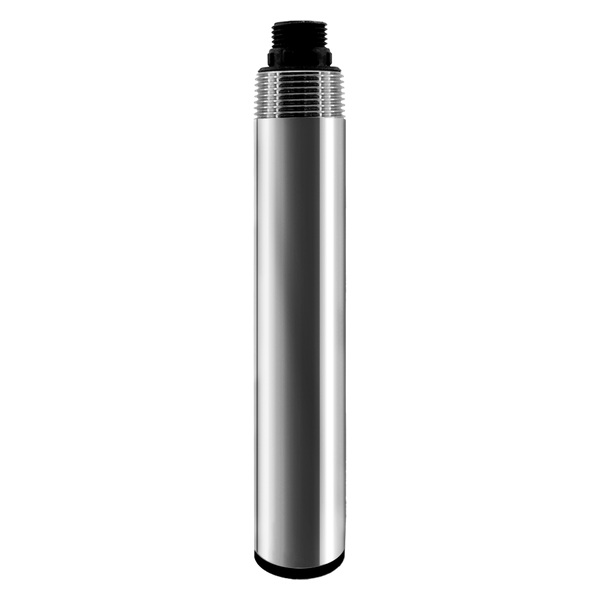
If your reservoir team reports clarity in millimeters, choose transparency; if your treatment or compliance target is in NTU, choose turbidity. A transparency sensor vs turbidity sensor comparison must start with the required measurand. YexSensor YEX-S1PRO-TPS supports continuous transparency and temperature trending.
Transparency Sensor vs Turbidity Sensor: The Direct Answer
Choose transparency when reservoir managers, intake operators or ecological programs already interpret water clarity as a visibility depth and need continuous trend data. Choose turbidity when treatment processes, filter performance, solids events or standards are defined in NTU. Use both only when each supports a separate decision; installing both without a data-use plan creates cost but not necessarily information.
A clear water body normally has greater transparency and lower turbidity, yet color, algae, dissolved substances, particle size and lighting response can change their relationship. A site-specific correlation may be useful for trending but should not be used to convert millimeters into NTU as though they were the same measurand.
YEX-S1PRO-TPS Product Fit
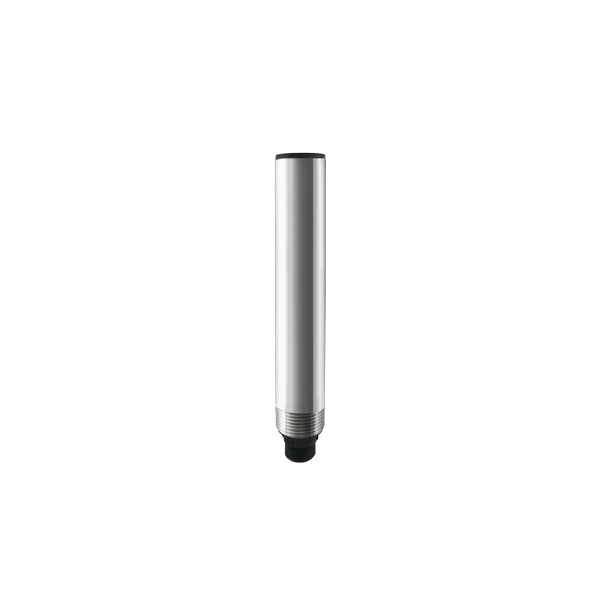
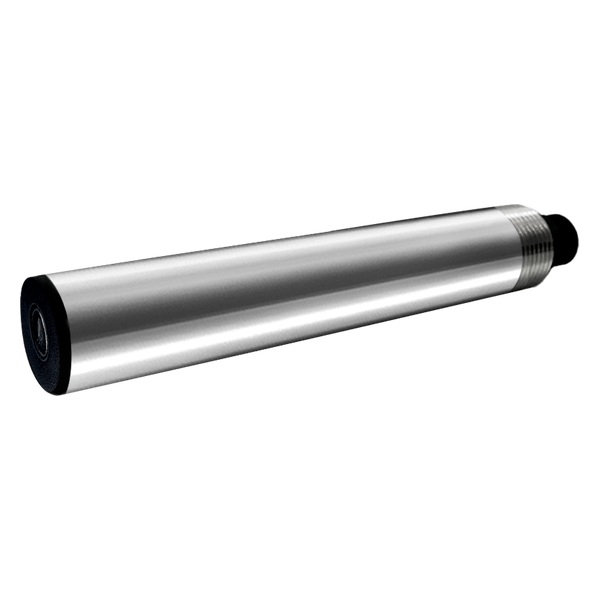
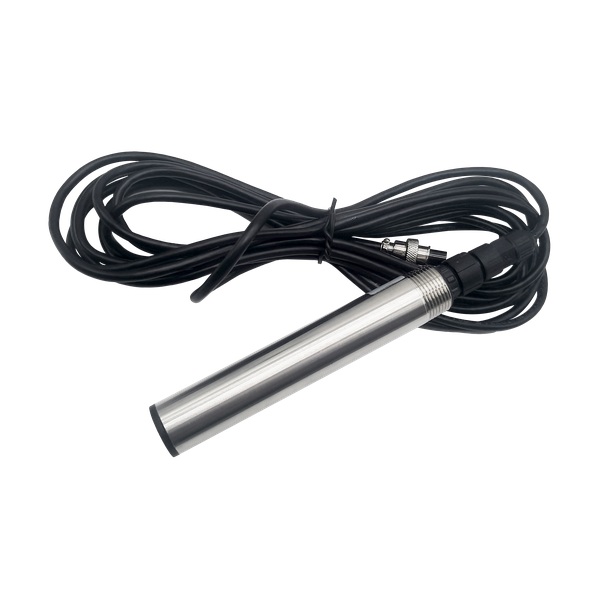
The official YEX-S1PRO-TPS specification lists transparency and temperature using a light-scattering method. Transparency range is 50–2000 mm with customization available, resolution is 1 mm, transparency accuracy is ±10%, temperature accuracy is ±0.1°C and response time is 30 seconds. It uses automatic temperature compensation.
The housing is 316L stainless steel plus ABS with IP68 protection. Power is 12–24 VDC at approximately 0.4 W. Buyers can select RS485 Modbus RTU or optional 4–20 mA. The standard information lists a 5 m shielded cable, 3/4 NPT installation and optional self-cleaning.
What Millimeters and NTU Mean in the Field
Transparency is intuitive for reservoir and lake teams because it describes how far light can penetrate under the defined instrument geometry. It can reveal seasonal clarity changes, sediment resuspension and algal development. It does not identify why clarity changed. A falling value may result from mineral particles, plankton, colored water or an optical window that needs cleaning.
Turbidity is a standardized optical scattering response reported in NTU, but different particles can scatter differently. It is often more directly connected to water-treatment decisions and regulatory limits. It is not mass-based TSS and does not automatically reproduce transparency. State the required unit in the purchase specification instead of asking for a generic clarity sensor.
Technical Parameters and Procurement Checks
| Selection item | Official specification or engineering meaning | Procurement check |
|---|---|---|
| Primary measurand | Transparency in mm plus temperature | Confirm the project truly requires mm rather than NTU |
| Range | 50–2000 mm; customizable | Include clear-season and storm or bloom minima |
| Resolution | 1 mm | Verify the change needed to trigger an operational decision |
| Accuracy | Transparency ±10%; temperature ±0.1°C | Define reference comparison and acceptance tolerance |
| Response | 30 seconds | Add station averaging and hydraulic transport time |
| Principle | Light-scattering method | Review color, algae and particle effects on site response |
| Output | RS485 Modbus RTU or optional 4–20 mA | Specify unit, decimal position and analog scaling |
| Construction | 316L stainless steel plus ABS; IP68 | Review immersion depth, chemistry and outdoor exposure |
| Optical clearance | More than 10 cm from bottom and 3 cm from walls | Approve bracket geometry before fabrication |
| Cleaning | Optional self-cleaning | Define cleaning cycle, invalid-data period and spare parts |
Selection by Project Environment
For a drinking-water intake, transparency can provide an easily interpreted source-water trend, while turbidity may be required closer to coagulation, filtration or compliance points. For reservoir ecology, transparency can support seasonal comparisons, but algae, chlorophyll and dissolved oxygen data may be needed to interpret cause. For storm-event monitoring, turbidity often provides a stronger link to particle loading, while transparency shows the resulting loss of clarity.
For wastewater or sludge, transparency may quickly reach the lower end of its useful range; turbidity or TSS can be more actionable. In exceptionally clear water, the required transparency may exceed the standard range. Buyers should provide real seasonal data instead of selecting from a visual impression of the site.
Installation and Validation
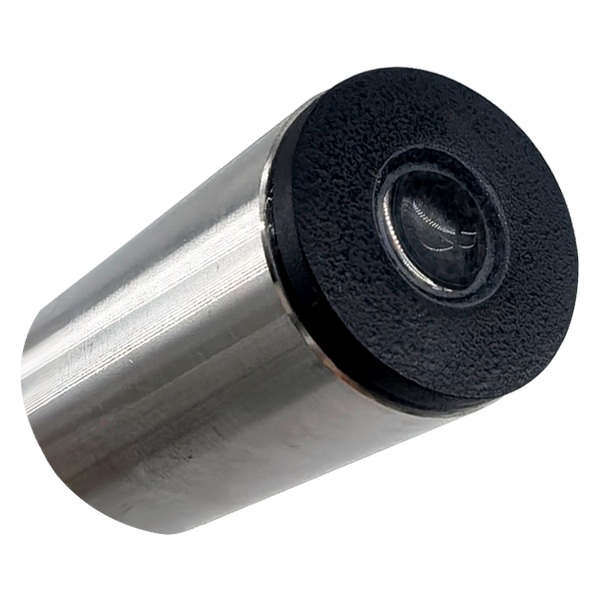
Keep the optical window more than 10 cm from the bottom and more than 3 cm from walls because reflected light can affect readings. Avoid direct sediment impact, severe bubbles and partial immersion. The mount should preserve a consistent orientation and allow retrieval without lifting the sensor by its cable.
Validate the online trend with the agreed field or reference method under clear, normal and event conditions. Do not expect a perfect match with a manual Secchi reading because observation, sunlight, depth and method differ. Define the relationship the project will use, and record maintenance and cleaning states with every comparison.
Installation, Data Quality and System Integration
A sensor is only one part of the measurement point. The project also needs a representative location, rigid or retrievable mounting, cable protection, suitable power, a controller or gateway, documented communication settings and safe maintenance access. Install the measuring end in continuously renewed water and keep it away from direct chemical injection, trapped air, settled deposits and unrepresentative dead zones unless the approved design specifically requires that location.
For RS485 Modbus RTU, confirm power polarity, A/B convention, device address, baud rate, parity, stop bits and the register map supplied with the ordered revision. Use a unique address for every device on a shared bus, appropriate topology and termination, and separation from variable-frequency-drive or motor cables. If optional 4–20 mA is selected instead, define the engineering-unit scaling, fault behavior and PLC analog-input isolation before the purchase order is released.
Store the raw reading, unit, configured range, temperature, quality flag and maintenance state together. A number without context can appear valid after dry exposure, cleaning, a range change or communication recovery. Define warning, action, out-of-range, maintenance and communication-loss states separately. Use persistence or rate-of-change rules when bubbles, cleaning movements or hydraulic transitions can create short harmless spikes.
Commissioning should include mechanical inspection, stable-value confirmation, reference comparison, alarm simulation and communication-loss testing. Record the model, serial number, range, output, cable length, protocol revision and initial reference results.
Lifecycle Cost, FAT and Responsibility Boundaries
Evaluate ownership cost over the planned service period. Include mounting hardware, flow cells or bypass piping, junction boxes, controller inputs, gateways, standards, cleaning labor, consumables, replacement sensing parts, travel and downtime. A lower probe price can become the more expensive option if it requires unsafe weekly retrieval or if missing protocol documents delay PLC commissioning. Ask each supplier to separate included equipment from recommended accessories and customer-supplied items.
Write a factory acceptance checklist that verifies the ordered model, range, output, cable, connector, displayed units, Modbus communication and supplied documents. The site acceptance test should add installation inspection, comparison with the agreed reference method, alarm and interlock simulation, power-cycle recovery, communication-loss behavior and maintenance-state handling. Define who approves the sensor after cleaning or calibration and who may change ranges, addresses or setpoints.
Plan critical spares according to site access and consequence of failure. A remote station may need a complete exchange probe, while an accessible plant may hold cleaning tools, standards, seals or sensing elements.
How to Request a Comparable Quotation
Send the monitoring objective, process drawing, water source, minimum, normal and credible maximum values, temperature, pressure, pH, salinity or conductivity, suspended solids, oil or biological fouling risk, cleaning chemicals, mounting, cable length, power, PLC or gateway, output signal, quantity and destination.
Require line-item confirmation of the exact model, ordered range, measured and calculated outputs, housing and wetted materials, cable, connector, thread, mounting accessories, optional cleaning, controller, calibration materials, spares, drawings, protocol document, warranty, lead time and exclusions. Compare the installed and maintainable measurement point rather than the probe price alone. This makes quotations technically comparable and reduces change orders during commissioning.
Frequently Asked Questions About transparency sensor vs turbidity sensor
Are transparency and turbidity the same measurement?
No. Transparency is reported as an optical visibility distance in millimeters, while turbidity is a scattered-light response in NTU. They can correlate but are not interchangeable. The RFQ should name the required unit and reporting purpose so suppliers do not quote different optical measurands under a generic clarity description. State which value triggers sampling, intake review or treatment action before selecting the instrument.
When should a reservoir use transparency?
Use it when managers already work with water-clarity depth and need continuous seasonal or event trends. Confirm that the 50–2000 mm range covers the site. Request confirmation of the 50–2000 mm range against dry-season clarity, normal operation and the lowest storm or bloom condition. If the site exceeds the standard range, provide seasonal samples and request a reviewed customization.
When is a turbidity sensor more appropriate?
Choose turbidity when alarms, treatment decisions or standards are expressed in NTU, especially for filtration, sediment events or particle breakthrough. If a regulation or treatment alarm uses NTU, procure a turbidity sensor and keep transparency as a separate ecological or source-water trend. Do not buy transparency when the contract, alarm or permit explicitly requires an NTU result.
Can transparency be converted directly to NTU?
No universal conversion is valid. Color, algae and particle properties change the relationship. Build a site correlation only for a defined water body and period. Request a correlation document that states the water body, season, paired methods and validity limits; do not reuse it as a universal conversion. Keep paired data and method details so operators know when the correlation is no longer valid.
What clearance does YEX-S1PRO-TPS require?
Official guidance calls for more than 10 cm from the bottom and more than 3 cm from walls, with full immersion and avoidance of severe bubbles or sediment impact. Require bottom and wall clearances on the approved mounting drawing and verify them during SAT before accepting the optical readings. Check these distances again after installation because brackets can move during cleaning or retrieval.
Can the sensor connect to SCADA?
Yes. Select RS485 Modbus RTU or optional 4–20 mA and confirm registers, unit, decimal position, address, baud rate and quality-state handling. When ordering SCADA integration, require the RS485 or 4–20 mA version, unit, decimal position, register map, scaling and loss response. Test the displayed unit, decimal position and communication-loss alarm during site acceptance.
Is self-cleaning standard?
It is listed as optional. State the cleaning configuration, cycle, replacement parts and controller behavior explicitly on the RFQ. When self-cleaning is selected, request separate pricing for the mechanism, controller requirements, wear parts and service interval so bids remain comparable. The order should also state how readings collected during cleaning are flagged and excluded.
How should buyers validate the measurement?
Compare clear, normal and event conditions with the agreed field method, document optical cleaning state and define the acceptable trend or difference before commissioning. Require the acceptance plan to name the field reference, comparison conditions, stabilization time, tolerance and corrective action when results disagree. Retain comparison records from clear, normal and event conditions for later drift investigations.
What should the quotation include?
Provide seasonal transparency data, water color, algae and sediment conditions, depth, bracket drawing, clearance, cable, output, cleaning, controller, reference method and quantity. Require the quotation to confirm YEX-S1PRO-TPS, mounting accessories, cable and cleaning configuration rather than accepting an incomplete probe-only package. Ask bidders to identify customer-supplied brackets, junction boxes and controller inputs as exclusions.
Final Thoughts
Choose the measurand before choosing the probe. If your project requires continuous clarity in millimeters, review the YEX-S1PRO-TPS with YexSensor and send seasonal data, optical conditions, mounting clearance, cleaning and integration requirements.



