


 Chinese
 Spanish
 French
 Russian
 German
 Portuguese
 Indonesian
 Thai
Thai Vietnamese
 Arabic

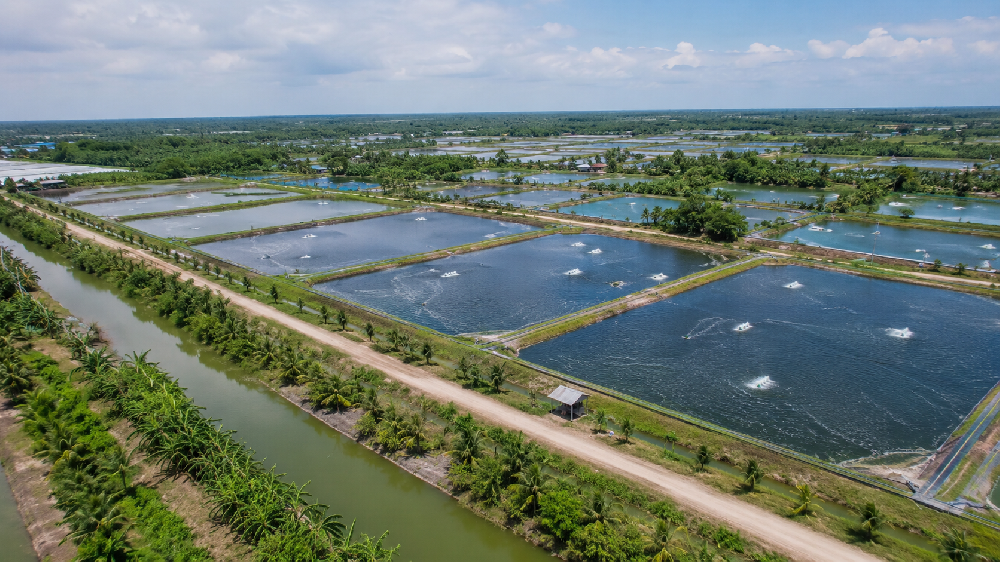
Tank Systems Need Measurement Points Operators Can Trust
For indoor tanks, raceways and recirculating aquaculture systems, the handover stage decides whether the monitoring system will be accepted by operators. A project can use good sensors and still fail if nobody confirms sample point, unit, communication map, cleaning method, alarm ownership and spare-part plan before final acceptance.
Equipment selection for online water quality sensor for aquaculture tanks should therefore include commissioning documents, not only product specifications. The buyer should request field notes that explain where to mount the probe, how to clean it, how to compare readings and how to recover after power or communication faults.
A successful handover leaves the user with confidence. The operator knows what value is normal, what value requires action, who receives the alarm, how to check the probe and how to record maintenance so future disputes are easier to resolve.
Layout Rules for Intensive Culture
The first selection step is to define the control objective. For tank aquaculture sensor layout, the value should guide biofilter protection, oxygen warning, water exchange review and feeding control. If the value only appears on a screen and nobody changes operation, the project will not produce enough return.
| Project condition | Engineering response | Buyer value |
|---|---|---|
| High recirculation flow | Install where water is mixed but bubbles are controlled | Prevents unstable readings from turbulence |
| Biofilter dependence | Track oxygen and nutrient trend together | Protects nitrification and animal health |
| Shared tanks | Label sensor location and tank ID clearly | Reduces maintenance and data confusion |
Commissioning Errors to Prevent
For tank aquaculture sensor layout, documentation should include baseline values, cleaning dates, comparison results and abnormal-event notes. These records help explain drift, prove maintenance, support warranty discussion and guide future expansion.
| Risk | What to check | Acceptance evidence |
|---|---|---|
| Sensor at inlet jet | Move away from direct turbulence | Stable trend after relocation |
| Unclear register map | Verify digital values during handover | Signed communication checklist |
| No maintenance hold | Add hold status during cleaning | Dashboard shows service condition |
Operator Handover and Daily Checks
YexSensor is a suitable direction when the buyer wants practical online water quality monitoring rather than an isolated probe. The recommendation can include oxygen, ammonium nitrogen, acidity and conductivity monitoring selected according to stocking density and water exchange design with accessories and communication guidance matched to the site.
A useful tank monitoring screen should show values in a way that matches the operator's walking route. If tanks are inspected by row, the dashboard and alarm names should follow the same logic so a night alarm points to the correct physical location.
In tank aquaculture, blind spots usually come from poor mixing, inlet turbulence, biofilter return zones and sensors placed only where installation is easy. The article should help the buyer map water movement before deciding where to mount probes.
The handover should include tank labels, sensor labels and dashboard labels that match the physical layout. When a night alarm appears, staff should know exactly which tank row and which probe needs inspection.
Direct YexSensor Product Recommendation
For intensive tanks and RAS, the recommended YexSensor package is YEX-S1-RDO for oxygen, YEX-S1-NHN for ammonium nitrogen, YEX-S1-PH for acidity and YEX-S1-EC for conductivity. This is a direct product package because oxygen, nutrient load, acidity and salinity/source change are the values operators actually use when protecting biofilters and feeding plans.
Install YEX-S1-RDO after mixing but away from direct inlet turbulence. Put YEX-S1-NHN where the sample reflects biofilter load and is easy to clean. YEX-S1-EC can be placed in a stable recirculation point to track salinity or source water change. YEX-S1-PH should be protected from dry storage and chemical injection spikes.
For a new RAS skid, request RS485 register maps for all four sensors and reserve controller channels for future expansion. The quotation should include waterproof cable glands, probe holders, standard solutions and a clear commissioning sheet for address, baud rate, unit and alarm threshold.
For direct product review, buyers can start with YEX-S1-RDO Optical Dissolved Oxygen Sensor YEX-S1-NHN Online Ammonium Nitrogen Sensor. The remaining products in the table should be selected according to the site risk instead of added automatically.
| Product name | Product image | Specification to confirm | Why it fits this application |
|---|---|---|---|
| YEX-S1-RDO Optical Dissolved Oxygen Sensor |  | RS485 Modbus RTU, 12-24V DC, IP68, 0-20.00 mg/L, optical fluorescence principle | Best used where oxygen trend drives aeration, feeding, biofilter protection or biological treatment stability. |
| YEX-S1-NHN Online Ammonium Nitrogen Sensor |  | RS485 Modbus RTU, optional 4-20mA, 12-24V DC, IP68, 0-10 / 0-100 / 0-1000 mg/L | Recommended where nutrient trend affects fish stress, biofilter load, wastewater process control or discharge risk. |
| YEX-S1-PH Industrial Online pH Sensor |  | RS485 Modbus RTU, 12-24V DC, IP68, 0.00-14.00 pH range | Recommended for neutralization, chemical dosing review, aquaculture chemistry and wastewater process protection. |
| YEX-S1-EC Online Conductivity Sensor |  | RS485 Modbus RTU, 12-24V DC, IP68, 0-5000 uS/cm, TDS 0-3000 mg/L | Useful for source change warning, salinity trend, rinse water control, reuse water and industrial discharge review. |
Procurement Details That Should Be Written Into the Order
For tank aquaculture sensor layout avoid blind spots intensive systems, the order should define the field environment clearly. The buyer should state whether the water contains bubbles, algae, sludge, high suspended solids, disinfectant, high salinity, chemical shock, oil film or heavy sediment. These conditions affect product configuration and cleaning frequency.
The order for tank aquaculture sensor layout avoid blind spots intensive systems should define the electrical and data boundary before shipment. If the customer uses PLC or RTU, request the RS485 Modbus RTU details for YEX-S1-RDO Optical Dissolved Oxygen Sensor and the supporting models. If the customer uses a cloud gateway, confirm power supply, cable distance, enclosure location and whether alarms should appear by SMS, email or platform notification.
The recommended products should be tied to site action. In this case, the expected action is for intensive tanks and ras, the recommended yexsensor package is yex-s1-rdo for oxygen, yex-s1-nhn for ammonium nitrogen, yex-s1-ph for acidity and yex-s1-ec for conductivity. That action should appear in the alarm naming and dashboard labels so operators know why the value matters when it changes.
Spare parts for tank aquaculture sensor layout avoid blind spots intensive systems should match the selected YexSensor package. If YEX-S1-RDO Optical Dissolved Oxygen Sensor is the key model, keep the cleaning tools and mounting parts needed to return it to service quickly. If the package includes YEX-S1-NHN Online Ammonium Nitrogen Sensor, YEX-S1-PH Industrial Online pH Sensor, YEX-S1-EC Online Conductivity Sensor, add suitable standards, protective sleeves, cable glands or spare holders so the whole monitoring point can be maintained without emergency purchasing.
The final purchase for tank aquaculture sensor layout avoid blind spots intensive systems should read like an engineered YexSensor package: model list, installation method, communication method, verification routine, alarm response and support contact. This makes the recommendation direct and commercial, while still giving the buyer enough field detail to request a serious quotation.
FAQ
Q1 Which YexSensor model should be selected first for tank aquaculture sensor layout avoid blind spots intensive systems?
The first model to specify is YEX-S1-RDO Optical Dissolved Oxygen Sensor. It is the most important recommendation for this scenario because best used where oxygen trend drives aeration, feeding, biofilter protection or biological treatment stability. The buyer should confirm RS485 Modbus RTU, 12-24V DC, IP68, 0-20.00 mg/L, optical fluorescence principle and then decide whether the measurement will trigger an alarm, control action, operator inspection or maintenance record. Starting with the primary model keeps the project focused instead of turning the article into a long instrument list.
Q2 Which supporting products should be added?
The supporting products are YEX-S1-NHN Online Ammonium Nitrogen Sensor, YEX-S1-PH Industrial Online pH Sensor, YEX-S1-EC Online Conductivity Sensor. YEX-S1-NHN Online Ammonium Nitrogen Sensor adds value because recommended where nutrient trend affects fish stress, biofilter load, wastewater process control or discharge risk. YEX-S1-PH Industrial Online pH Sensor adds another layer of diagnosis because recommended for neutralization, chemical dosing review, aquaculture chemistry and wastewater process protection. These products should be added when their values change a real decision, such as feeding, aeration, dosing, discharge review, source-water response or cleaning priority.
Q3 How should the installation point be chosen?
Install YEX-S1-RDO after mixing but away from direct inlet turbulence. Put YEX-S1-NHN where the sample reflects biofilter load and is easy to clean. YEX-S1-EC can be placed in a stable recirculation point to track salinity or source water change. YEX-S1-PH should be protected from dry storage and chemical injection spikes. The technician should also confirm whether the probe can be removed safely, whether the cable is protected and whether the sample condition at that point matches the decision being made. A convenient mounting point is not enough if it gives a value that operators cannot trust.
Q4 What should the buyer ask YexSensor to include in the quotation?
For a new RAS skid, request RS485 register maps for all four sensors and reserve controller channels for future expansion. The quotation should include waterproof cable glands, probe holders, standard solutions and a clear commissioning sheet for address, baud rate, unit and alarm threshold. The quotation should also state the model name, output signal, cable length, power requirement, mounting accessory, cleaning method and support scope. This gives the buyer a real project cost rather than a sensor-only price that becomes incomplete during installation.
Q5 How can the site avoid false alarms after installation?
For tank aquaculture sensor layout avoid blind spots intensive systems, false alarms are usually reduced by combining correct placement, maintenance hold, realistic alarm delay and a baseline period after commissioning. The alarm should be named around the real action described in the article, not only around the parameter. If YEX-S1-RDO Optical Dissolved Oxygen Sensor changes rapidly after cleaning or power recovery, the system should identify service status before operators treat the value as a process upset.
Q6 What maintenance routine fits this product combination?
Maintenance should follow the selected models. YEX-S1-RDO Optical Dissolved Oxygen Sensor needs cleaning and verification based on the water matrix. YEX-S1-NHN Online Ammonium Nitrogen Sensor should be checked according to its measurement principle and site fouling. If YEX-S1-PH Industrial Online pH Sensor is installed, keep its standard solution, cleaning method or comparison record available. The maintenance record should show before-cleaning value, after-cleaning value, technician, date and any abnormal site condition.
Q7 How should these sensors connect to a dashboard or PLC?
The products should be integrated through RS485 Modbus or the required site signal path. Before handover, the integrator should verify address, baud rate, register type, decimal position, engineering unit and fault behavior for YEX-S1-RDO Optical Dissolved Oxygen Sensor and the supporting sensors. The dashboard should display the point name in practical language so operators know which tank, pond, channel, outlet or station the value represents.
Q8 How does this direct product recommendation help purchasing?
It helps because the buyer can move from application need to specific YexSensor models: YEX-S1-RDO Optical Dissolved Oxygen Sensor, YEX-S1-NHN Online Ammonium Nitrogen Sensor, YEX-S1-PH Industrial Online pH Sensor, YEX-S1-EC Online Conductivity Sensor. The article no longer stops at general advice. It tells the buyer which model family to review, which specification to confirm, which installation risk to control and what evidence should be checked during acceptance. That makes the content more useful for real procurement and project delivery.
Summary
For tank aquaculture sensor layout avoid blind spots intensive systems, the recommendation should be direct enough for a buyer to act. The primary product is YEX-S1-RDO Optical Dissolved Oxygen Sensor, supported by YEX-S1-NHN Online Ammonium Nitrogen Sensor, YEX-S1-PH Industrial Online pH Sensor, YEX-S1-EC Online Conductivity Sensor when the site needs more process context. Each model should be tied to an operating decision rather than inserted as decoration.
The reason to recommend this YexSensor package is practical: For intensive tanks and RAS, the recommended YexSensor package is YEX-S1-RDO for oxygen, YEX-S1-NHN for ammonium nitrogen, YEX-S1-PH for acidity and YEX-S1-EC for conductivity. This is a direct product package because oxygen, nutrient load, acidity and salinity/source change are the values operators actually use when protecting biofilters and feeding plans. This gives the article a commercial direction while still respecting engineering reality. The buyer can see why the model matters, where it should be installed and what to confirm before purchase.
A stronger specification for tank aquaculture sensor layout avoid blind spots intensive systems should include model, range, output, power, bracket, cable, controller or gateway, alarm rule, cleaning method, verification routine and spare-part plan. These details reduce project disputes because everyone understands what is included in the monitoring point.
For tank aquaculture sensor layout avoid blind spots intensive systems, the article should now guide a buyer toward a concrete next step: review YEX-S1-RDO Optical Dissolved Oxygen Sensor, compare the supporting YexSensor models in the table, send site conditions to the supplier and request a quotation that includes installation accessories. The content is long enough because the purchasing path is detailed, not because it repeats background statements.



