Chinese
 Spanish
 French
 Russian
 German
 Portuguese
 Indonesian
 Thai
 Vietnamese
 Arabic


Approve a sidestream suspended-solids measurement only after the solids reaching the sensor have been compared with the process water at the takeoff. A probe can measure its chamber consistently while particles settle in the tubing upstream. Specify an accessible takeoff, a way to measure sample flow, ports for paired samples and a response to stopped flow before choosing the enclosure or controller.
Where can solids disappear before the measurement?
Trace the path from the process to the return or drain. Mark long horizontal sections, low points, restrictions, small valves and places where flow stops between pump cycles. Ask the plant which solids are present during normal operation and during an upset. A sample containing fine, slowly settling particles may behave differently from a stream carrying large flocs. A design accepted on clear commissioning water has not yet demonstrated solids transport.
Separate the hydraulic question from the instrument question. If the chamber and a laboratory sample from the chamber agree but both differ from the process sample, the evidence points toward the sample path or timing. If the two laboratory samples agree but the online reading differs, investigate the optics, reference relationship and calibration. Cleaning the probe or adjusting a slope before collecting either comparison can erase the evidence needed to locate the discrepancy.
Which TSS specifications matter after a sample reaches the probe?
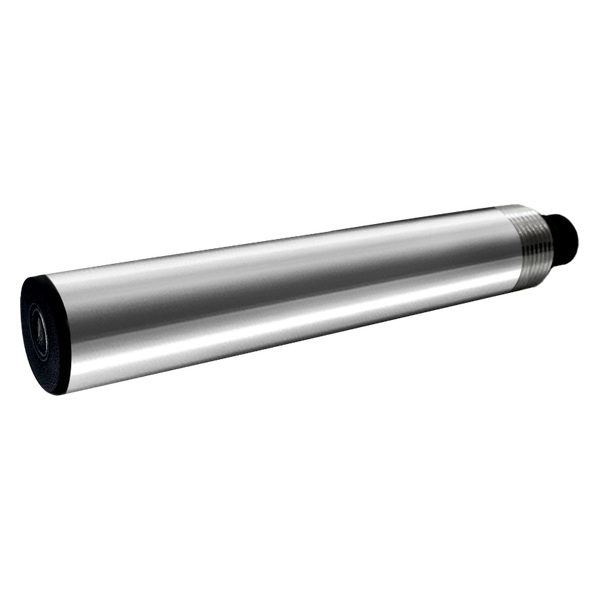
The YEX-S1PRO-TSS uses light scattering and reports suspended-solids concentration. Page 3 of its user manual lists the standard span, accuracy and environmental limits. Request the ordered span for a customized unit. The stated response describes the probe contribution; sample travel and line turnover add to the station delay. See the YEX-S1PRO-TSS user manual and product specifications.
| Model item | Published specification | Project decision |
|---|---|---|
| Measuring span | 0–2000.0 mg/L, customization listed | Check the lowest operating band and credible solids surge before accepting a span. |
| Accuracy | ±5% of reading | Agree on a comparison with gravimetric TSS in the actual matrix. A laboratory sample from the chamber alone cannot qualify the takeoff. |
| Response | 15 seconds | Add transport time, stabilization and polling when deciding how quickly an operator will see a process change. |
| Installation limits | 0–50 °C, non-freezing, pressure below 0.2 MPa | Check pressure at the sensor, including operating changes. Confirm the chamber and fittings separately. |
Optical scattering changes with particle size, shape and optical properties. Define which process materials will be included in the comparison. A relationship established during routine operation may not hold after a chemical dose changes floc characteristics. Keep reference samples from these events identified separately, and ask who will review the relationship before an operator acts on the new condition.
Weigh immersion against a serviceable sidestream
Direct immersion avoids transport through tubing. It is a candidate when the process point is representative, the probe remains wetted and the crew can safely retrieve it for cleaning. In an open channel, inspect the water level and solids distribution across the section. Access from a convenient wall is useful only if the local concentration represents the owner's decision.
A sidestream can provide isolation and reliable service access away from an inaccessible channel. It also adds moving water, tubing, fittings and a chamber to the measurement chain. Allow space to inspect deposits, measure the actual flow and obtain a sample without altering the route under test. Specify the source of sample pressure and the condition during pump stops. Where uninterrupted transport cannot be maintained, agree when the value becomes invalid.
Avoid selecting a universal line velocity or tubing diameter without the plant’s solids and flow information. Ask the sample-system supplier to explain how the selected line will handle the expected particles, how it can be cleaned and how performance will be tested. A wider line can reduce blockage risk while increasing retained volume at the same flow. Document that trade-off with the proposed route and measured operating flow.
Two sample bottles can locate the main discrepancy
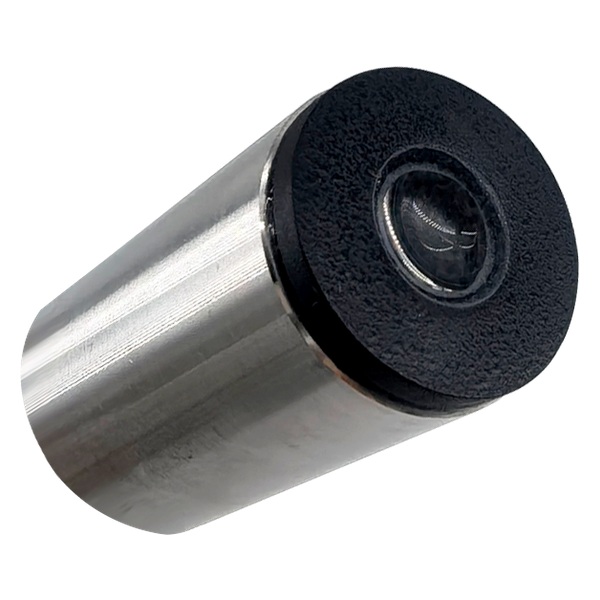
For a trial, label bottle A for the process takeoff and bottle B for the chamber inlet. Align the collection times with the measured travel delay. Record the online value for the corresponding water, the sample flow and any recent valve or pump change. Have the laboratory use the same agreed method and handling procedure for both bottles.
Suppose A gives 180 mg/L, B gives 120 mg/L and the sensor reports 124 mg/L. These hypothetical results make line transport or unmatched water the first investigation. They do not justify increasing the probe calibration simply to match A. Inspect the route, repeat the pair under stable operation and check whether deposits or a changing source explain the difference. The numbers illustrate diagnosis and do not define acceptance tolerances.
After an idle period, the first surge can dislodge accumulated solids. Record when flow resumed, when visibly settled material cleared and when the online result and reference samples again represented the process. A timer derived from pipe volume is a starting estimate. The trial should establish the release condition for this station, especially if short solids events are the reason for installing the analyzer.
Measure the delay and mark invalid data
If the sample path holds 1.5 litres and measured flow is 0.5 litre per minute, the nominal residence time is three minutes. This simple calculation assumes the stated volume and flow. Mixing, dead zones and changing flow can broaden the response. An event shorter than the travel and mixing interval might be delayed or attenuated in the chamber. Decide whether this fits the operator’s required warning time.
Provide a way for the controller or operator to recognize loss of sample flow. A communicating RS485 instrument may keep reporting the water trapped in a full chamber. A good communication flag is therefore insufficient to establish sample validity. During the site test, isolate the line under the plant procedure, observe the indicated state and record the first accepted reading after restoration. Define how the historical record displays the interval.
Specify the optional self-cleaning configuration explicitly if it is needed for the optical face. A clean optical face does not clear deposits in upstream tubing. Assign the probe, sample line and takeoff separate inspection tasks. Record before-and-after readings at the same operating condition before replacing parts or changing the calibration.
RFQ inputs for a representative sample system
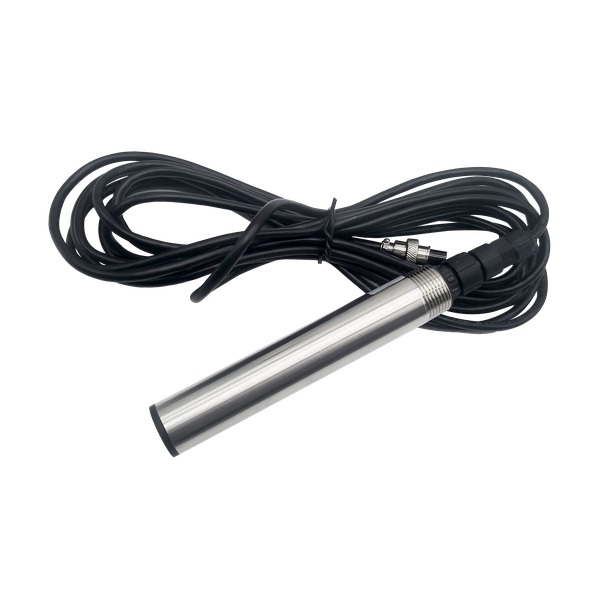
Include the takeoff drawing, line length and internal diameter, elevations, chamber volume, pump cycle, measured sample flow, expected TSS band, high-solids events and reference method. State the required warning time, available pressure, cleaning access, cable distance and controller interface. Ask for an itemized quotation for the probe, flow hardware, isolation, sampling ports and witnessed comparison work.
Agree on acceptance across more than one solids condition. Record the criteria for takeoff versus chamber results separately from the criteria for chamber reference versus sensor. Reserve some samples for verification after the supplier has established the optical relationship. If high-solids events are absent during commissioning, mark that part of the operating envelope pending and define the later test.
Send the project data
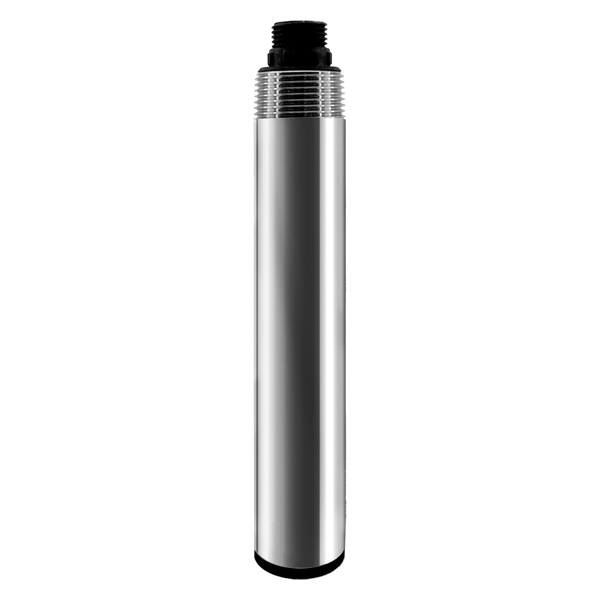
Include the takeoff and chamber layout, line volume, flow history, solids range, particle observations, reference method and maximum acceptable delay. Identify the YEX-S1PRO-TSS configuration. Send Your Project Requirements
Frequently asked questions
Q1. Why compare samples at both ends of the line?
A1. The two samples help distinguish transport bias from sensor response. Collect water from the takeoff and chamber for the same process event, allowing for the measured travel delay. If the results differ beyond the agreed tolerance, investigate the line and sampling procedure before adjusting the optical probe. Preserve both laboratory results with the online reading.
Q2. Does a 15-second probe response mean an alarm reaches the operator in 15 seconds?
A2. The model specification covers the sensor response. The installed system also includes line travel, mixing in the chamber, polling and notification. Measure sample flow and retained volume, then witness a change at the process and its arrival at the display. Compare the total delay with the owner’s warning requirement before accepting the installation.
Q3. Can the sensor keep reporting after sample flow stops?
A3. Yes, a powered probe can continue communicating while immersed in water trapped inside a chamber. Specify a flow-validity indication or a documented maintenance state for that condition. Test the stopped-flow case and recovery on the installed system. Require the operator display and history export to distinguish trapped water from fresh process samples.
Q4. When should TSS sample line design give way to direct immersion?
A4. Consider immersion if settling, repeated blockages or intermittent sample flow prevent the sidestream from representing the process. Verify that the alternative point stays wetted and provides safe retrieval and representative water. Compare both designs with paired samples and service costs before deciding which location should supply an alarm or recorded result.
Q5. Which span suits a plant with occasional solids surges?
A5. Select the ordered span from normal concentrations, the decision band and credible excursions. Document what the operator will see above range. A wide span alone cannot establish performance near the normal alarm or ensure that large particles reach the chamber. Ask for site comparisons at more than one relevant solids condition.
Q6. Will an optional cleaning brush solve a dirty sidestream?
A6. The optional cleaning configuration addresses the sensor surface. Sediment in the takeoff, tubing or chamber requires separate access and a service procedure. Record which part was cleaned and compare readings under the same flow afterward. If the crew repeatedly finds deposits upstream, review the hydraulic design before shortening only the probe-cleaning interval.
Q7. Which drawings and records belong in a bid comparison?
A7. Give each bidder the process location, pipe route, line dimensions, sample pressure, measured flow, pump duty and reference-sampling access. Ask for expected delay, cleaning provisions, isolation hardware and commissioning responsibilities. Compare the proposed evidence for transport and for optical accuracy separately, including who supplies laboratory comparisons and who resolves a failed test.
Q8. What should the owner retain after the trial?
A8. Retain the takeoff and chamber sample results, collection times, line flow, instrument serial number and controller record for each trial condition. Include restart and stopped-flow tests, maintenance observations and unresolved operating ranges. Assign responsibility for the next comparison before releasing the measurement for decisions outside the conditions already witnessed. Include the line inspection findings with the corresponding sample times.
Summary
Select immersion or a sidestream according to access, solids transport and the required warning time. Check the YEX-S1PRO-TSS span and pressure limit for the actual chamber. Verify the takeoff against the chamber before assessing the optical relationship, and preserve a distinct invalid state when flow stops. The RFQ should include route geometry, sampling ports and ownership of paired tests.