Chinese
 Spanish
 French
 Russian
 German
 Portuguese
 Indonesian
 Thai
Thai Vietnamese
 Arabic

Water Sensor FAT SAT Requirements should be specified as a complete measurement point. Before requesting a YexSensor quotation, define the operating decision, verified range, installation, RS485 interface and how the project will manage the risk of accepting hardware without testing the complete data path.
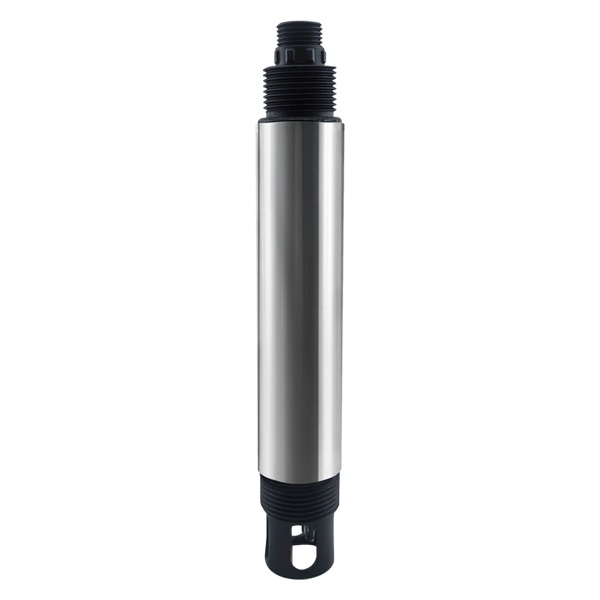
Quotation decision for Water Sensor FAT SAT Requirements
For EPC handover and monitoring-system contracts, the specification must support the decision to separate factory checks from site performance checks and manage the risk of accepting hardware without testing the complete data path; name the process event, required response, verification method, responsible owner and acceptance record for that decision instead of relying on a generic product statement.
What Water Sensor FAT SAT Requirements Must Deliver for Industrial Projects
The requirement usually appears while preparing an RFQ, evaluating suppliers or closing technical scope before award; for EPC handover and monitoring-system contracts, the YEX-S1PRO-CL measurement deliverable is a maintainable point that supports the decision to separate factory checks from site performance checks; evaluate its sensor, mounting, power, communications, alarm handling and reference procedure together before the project can separate factory checks from site performance checks.
The application scope water quality test can mix consumer and industrial use cases, so this application narrows it to EPC handover and monitoring-system contracts, where every parameter needs an owner, an action and an agreed reference.
Where YEX-S1PRO-CL Fits in the Monitoring System
In the automation architecture, YEX-S1PRO-CL is the field measurement layer; it senses the specified parameter through constant-potential residual chlorine measurement with temperature and pH compensation, while the controller handles scaling, diagnostics, alarm persistence and any guarded response; the historian should retain enough context to reconstruct what the plant was doing when the value changed; in EPC handover and monitoring-system contracts, this architecture must preserve the context needed to separate factory checks from site performance checks.
Installation purpose determines location; in EPC handover and monitoring-system contracts, state whether the tag is for source characterization, process control, equipment protection or final verification; that choice changes the acceptable lag, alarm design, reference sampling and maintenance arrangement.
For YEX-S1PRO-CL, separate the probe from the balance of system in the bill of materials. Identify the required mounting or flow cell, isolation, drain, waterproof junctions, controller or gateway, cabinet protection, commissioning, calibration materials and spares for EPC handover and monitoring-system contracts. The quotation should assign supply and validation responsibility for every item.
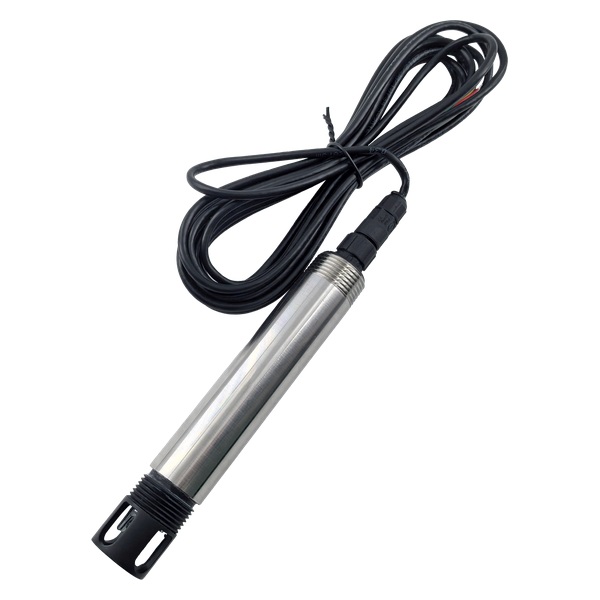
Online Residual Chlorine Sensor Communication and Protocol Compatibility
The digital interface is only complete when both sides interpret the same bytes in the same way; for YEX-S1PRO-CL, approve the current Modbus register map, device address, serial format, signed or unsigned representation, word order, scale and unit; then compare every used PLC tag with a stabilized field value; for EPC handover and monitoring-system contracts, the register approval must support the stated decision to separate factory checks from site performance checks.
In EPC handover and monitoring-system contracts, store value, unit, configured range, timestamp, communication quality, maintenance flag and last-valid time; alarm logic must distinguish a real process event from cleaning, dry exposure or stale telemetry; holding the last good number without a quality alarm is not a safe fallback.
Verified Technical Parameters and Procurement Checks
| Selection item | Verified YexSensor specification | Project procurement check |
|---|---|---|
| Measurement range | 0–5.00 mg/L; customizable | Provide normal residual, alarm level and dosing maximum. |
| Resolution and accuracy | 0.01 mg/L; ±5% of reading; temperature ±0.1°C | Define acceptance with a named field or laboratory reference. |
| pH channel | 0–14 pH; 0.01 resolution; ±0.1 pH | Use the pH value when reviewing compensation and process variation. |
| Response time | 10 s | Account for sample transport and mixing delay. |
| Power and consumption | 12–24 VDC; 0.4 W | Verify supply, grounding and cable voltage drop. |
| Output | RS485 Modbus RTU; optional 4–20 mA | Approve registers and ordered signal type. |
| Housing and cable | 316L + ABS; 5 m four-core shielded cable | Check disinfectant chemistry and cable length. |
| Operating limits | 0–50°C, non-freezing; pressure <0.2 MPa; IP68 | Install by immersion or 3/4 NPT at more than 15° from horizontal. |
The table uses the current YexSensor manual or official product page for YEX-S1PRO-CL; do not transfer these values to another model, product generation or customized option; for EPC handover and monitoring-system contracts, the quotation should repeat the selected range, output, cable, material information where published, mounting and accessories, and it should account for accepting hardware without testing the complete data path so engineering can verify the supplied configuration.
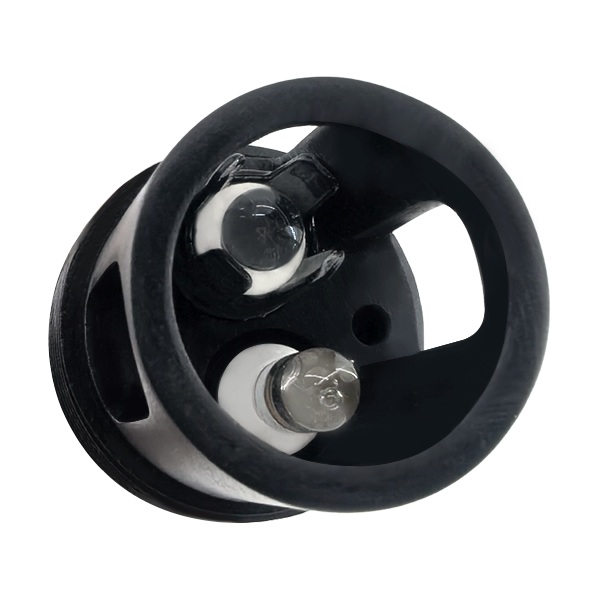
Engineering Scenarios for Online Residual Chlorine Sensor
1. Prepare a complete technical RFQ in EPC handover and monitoring-system contracts
Field challenge: a probe-only request omits the process, installation and acceptance information needed for selection; the design must also account for accepting hardware without testing the complete data path. System integration: send the matrix, ranges, drawing, data interface, quantity and project schedule with a defined operating decision; configure YEX-S1PRO-CL within its verified limits and keep the measurement purpose tied to the decision to separate factory checks from site performance checks. Project value for EPC handover and monitoring-system contracts: suppliers can quote a deployable configuration instead of guessing.
2. Normalize technical bids in EPC handover and monitoring-system contracts
Field challenge: different channel sets, cables, mounting hardware and services can make prices incomparable; the design must also account for accepting hardware without testing the complete data path. System integration: build a compliance table covering model, range, output, accessories, documents, spares, exclusions and deviations; configure YEX-S1PRO-CL within its verified limits and keep the measurement purpose tied to the decision to separate factory checks from site performance checks. Project value for EPC handover and monitoring-system contracts: procurement compares the same installed duty.
3. Verify configuration at FAT in EPC handover and monitoring-system contracts
Field challenge: the correct product family can still be supplied with the wrong option or protocol revision; the design must also account for accepting hardware without testing the complete data path. System integration: check nameplate, ordered range, cable, accessories, register interpretation and basic fault simulation before shipment; configure YEX-S1PRO-CL within its verified limits and keep the measurement purpose tied to the decision to separate factory checks from site performance checks. Project value for EPC handover and monitoring-system contracts: configuration errors are found before site work begins.
4. Close scope at SAT and handover in EPC handover and monitoring-system contracts
Field challenge: installation conditions and control logic cannot be proven by factory paperwork alone; the design must also account for accepting hardware without testing the complete data path. System integration: inspect the point, run reference comparisons, test alarms and recovery, then deliver final settings and maintenance responsibilities; configure YEX-S1PRO-CL within its verified limits and keep the measurement purpose tied to the decision to separate factory checks from site performance checks. Project value for EPC handover and monitoring-system contracts: the contract closes on usable evidence rather than one plausible reading.
How to Select YEX-S1PRO-CL for Epc Handover and Monitoring-System Contracts
Begin model selection with actual data from EPC handover and monitoring-system contracts: minimum, typical, warning and credible upset conditions. For YEX-S1PRO-CL, the first published selection item is measurement range (0–5.00 mg/L; customizable). Procurement action: Provide normal residual, alarm level and dosing maximum. If site records omit seasonal, cleaning or batch events, agree on a sampling campaign or trial for EPC handover and monitoring-system contracts.
Review the complete water matrix, not only the target parameter. Temperature, pressure, pH, conductivity, solids, color, bubbles, oil, oxidants, reducing chemicals and biological growth can affect the EPC handover and monitoring-system contracts service interval or representativeness. Residual chlorine depends on disinfectant chemistry, pH, sample flow and the monitoring purpose; define the reference method before acceptance. Obtain written confirmation whenever conditions related to accepting hardware without testing the complete data path fall outside routine service.
Choose immersion for YEX-S1PRO-CL when the point in EPC handover and monitoring-system contracts stays wetted, mixed and safely accessible. Use a bypass for EPC handover and monitoring-system contracts when pressure, temperature, access or sample conditioning must be controlled. Define flow, isolation, drainage and transport time because the stated IP rating cannot correct unsuitable EPC handover and monitoring-system contracts hydraulics.
System Integration and Installation Notes
The installation drawing should identify the exact stream, tag, bracket or flow cell, sensor orientation, safe service access and reference-sampling point; for EPC handover and monitoring-system contracts, verify the lowest level and worst pressure or temperature before fabrication, then label the probe and both cable ends consistently.
Commission the entire data path from wet end to historian; compare the local reading with raw registers and displayed engineering units, verify timestamps and quality, then cycle power and disconnect communications; any automatic response must move to the safe state defined by the control narrative; for EPC handover and monitoring-system contracts, confirm that this controls design supports the decision to separate factory checks from site performance checks.
RFQ Checklist and Inquiry Information
A firm quotation for EPC handover and monitoring-system contracts needs evidence from the actual point; provide the process diagram, matrix, operating modes, expected range, abnormal exposure, installation method, cable route, controller interface, quantities, documents, destination and schedule; state who owns installation, programming, validation and routine service; the request applies to EPC handover and monitoring-system contracts and must support the decision to separate factory checks from site performance checks.
Commercial comparison should follow the complete measurement point, not the bare probe; normalize sensor configuration, mounting, sample conditioning, panel interface, protocol revision, testing, consumables, warranty and service; any exclusion that changes maintainability or acceptance belongs in the bid evaluation; apply the comparison to the stated EPC handover and monitoring-system contracts duty.
Send a Project-Ready Inquiry
For EPC handover and monitoring-system contracts, attach the water matrix, operating ranges, installation sketch, cable distance, PLC or gateway details, quantity and acceptance method. State how the project will separate factory checks from site performance checks. Review the YEX-S1PRO-CL online residual chlorine sensor for water sensor FAT SAT requirements, then Send Your Project Requirements for configuration review.
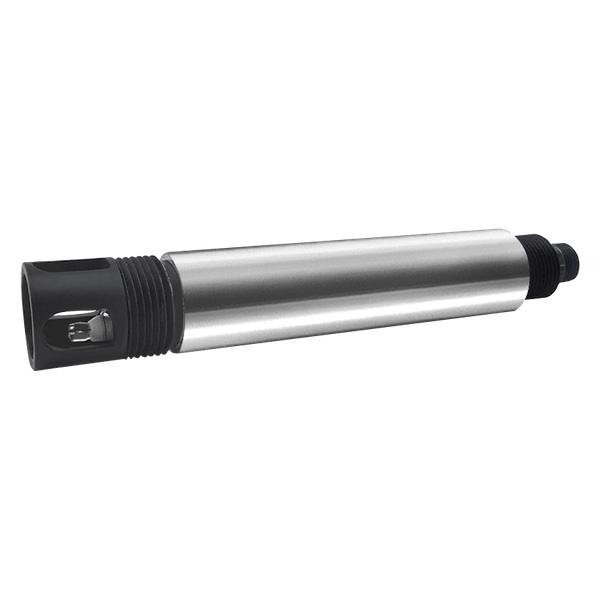
Frequently Asked Questions About Water Sensor FAT SAT Requirements
How does YEX-S1PRO-CL integrate with PLC, SCADA or an IoT gateway for water sensor FAT SAT requirements?
For water sensor FAT SAT requirements, YEX-S1PRO-CL provides RS485 Modbus RTU as listed in the verified table; approve the EPC handover and monitoring-system contracts protocol revision, device address, baud rate, parity, registers, data type, byte order, scaling and units; during commissioning, compare each used tag with the stabilized field value and test timeout, stale-data indication and power-cycle recovery before any automatic action is enabled.
How should YEX-S1PRO-CL accuracy be verified for projects involving EPC handover and monitoring-system contracts?
For this online residual chlorine sensor, catalog accuracy is not the complete site-acceptance tolerance because installation, matrix, timing, stabilization and the reference method add uncertainty. Collect paired EPC handover and monitoring-system contracts results at the same point and time across typical and warning conditions, recording temperature and maintenance state. Where the project is exposed to accepting hardware without testing the complete data path, expand the trial before accepting the value for control or contractual reporting.
Which data-quality fields should YEX-S1PRO-CL send in EPC handover and monitoring-system contracts?
Store the online residual chlorine sensor value, unit, configured range, timestamp, communication status, maintenance flag and last-valid time. Retain temperature when YEX-S1PRO-CL provides it and record configuration changes in the historian. For EPC handover and monitoring-system contracts, alarms must separate a process excursion from cleaning, dry exposure, invalid data or bus loss; a plausible held value is not proof of a stable process.
Which YEX-S1PRO-CL measuring range fits the measurement point in EPC handover and monitoring-system contracts?
Use minimum, typical, warning and credible maximum values from the actual EPC handover and monitoring-system contracts point, including seasonal, batch, cleaning and startup conditions. Select a verified YEX-S1PRO-CL range that covers the duty while retaining useful operating-band resolution. For EPC handover and monitoring-system contracts, do not copy another model's range or assume customization; require a sampling campaign or field trial when records are incomplete.
Should YEX-S1PRO-CL use direct immersion or a bypass in EPC handover and monitoring-system contracts?
Use direct immersion for the online residual chlorine sensor when the EPC handover and monitoring-system contracts location remains wetted, mixed and safely accessible with a protected cable route. In EPC handover and monitoring-system contracts, select a bypass when pressure, heat, access or conditioning requires controlled sample flow. Define representative takeoff, isolation, drainage and delay, then compare both arrangements against response time, bubbles, deposits and reference-sampling access before ordering YEX-S1PRO-CL.
Which site conditions in EPC handover and monitoring-system contracts can make YEX-S1PRO-CL data unrepresentative?
For this online residual chlorine sensor, stagnant water, walls, sediment, aeration bubbles, direct dosing, incomplete mixing, changing depth or sample-line delay can separate a valid reading from the intended decision. The specific EPC handover and monitoring-system contracts concern is accepting hardware without testing the complete data path. Survey the EPC handover and monitoring-system contracts hydraulics and compare simultaneous reference samples before fixing alarms; repeat the review after a process or mounting change.
What project data should an RFQ for water sensor FAT SAT requirements include?
The RFQ should provide the EPC handover and monitoring-system contracts flow, measurement objective, water matrix, four-point range data, temperature, pressure, level or flow, mounting drawing, cable distance, power, PLC or gateway, quantity, destination and commissioning date. State the decision to separate factory checks from site performance checks and the acceptance reference so YexSensor can quote the sensor, mounting, controls, cleaning provisions, calibration materials and spares as one project scope.
How should distributors compare quotations for projects involving EPC handover and monitoring-system contracts?
Normalize every offer to the same EPC handover and monitoring-system contracts duty. Compare the EPC handover and monitoring-system contracts measurand, model, range, accuracy, output, protocol revision, wetted materials, cable, bracket or flow cell, conditioning, controller, documents, commissioning, spares, warranty, lead time and exclusions. Resolve EPC handover and monitoring-system contracts deviations in writing because a lower probe price may omit hardware or support required for an accessible, acceptable point.
What should FAT and SAT cover for YEX-S1PRO-CL on projects involving EPC handover and monitoring-system contracts?
For YEX-S1PRO-CL, FAT should verify nameplate, ordered range, output, cable, accessories, documents, registers and basic fault simulation. SAT should add EPC handover and monitoring-system contracts installation inspection, reference comparisons, quality states, alarm delay and hysteresis, communication loss and power recovery. Close handover only after the complete signal path supports the project decision to separate factory checks from site performance checks; one plausible live value is insufficient.
Summary
For EPC handover and monitoring-system contracts, the YEX-S1PRO-CL measurement point should be approved as a complete measurement function. The buyer must connect YEX-S1PRO-CL specifications to the decision to separate factory checks from site performance checks, while treating exposure to accepting hardware without testing the complete data path as an installation and validation issue rather than a note left for commissioning.
Complete the EPC handover and monitoring-system contracts design with suitable mounting, DC power, an approved Modbus data contract, stale-data logic, cleaning, spares and an acceptance test; for a useful YexSensor quotation, submit the matrix, operating ranges, temperature, pressure, flow or level, drawing, cable distance, PLC or gateway details, quantity, destination, reference method and schedule; these inputs let buyers compare a maintainable measurement scope for a project that can separate factory checks from site performance checks, rather than an ambiguous probe price.