Chinese
 Spanish
 French
 Russian
 German
 Portuguese
 Indonesian
 Thai
Thai Vietnamese
 Arabic

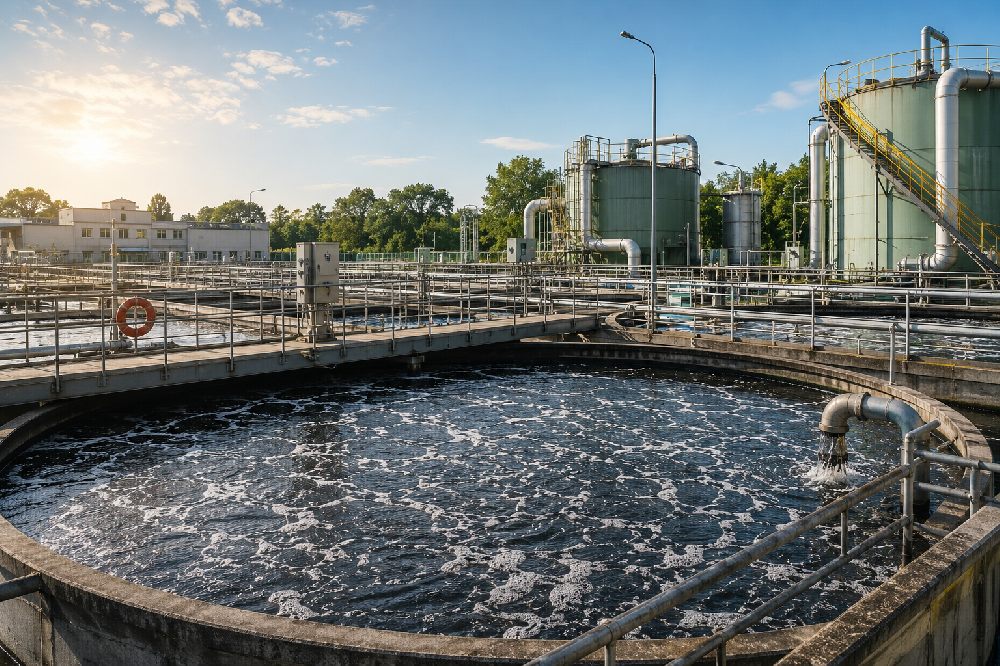
More Parameters Are Useful Only When They Support Decisions
In wastewater plant upgrades, industrial treatment systems and process optimization projects, online water quality data is useful only when it supports an operating decision. A value that cannot guide aeration, chemical dosing, feeding, discharge review, cleaning or maintenance will quickly become another number on a dashboard. Procurement teams should begin with the risk they want to control, then select sensor principles, ranges, installation hardware and communication methods around that risk.
For multi-parameter wastewater monitoring, the buyer should define the water matrix before comparing brands. Clear water, mixed liquor, sludge, recirculating aquaculture water, industrial wastewater and outdoor river water create very different fouling, bubble, solids and cable-protection conditions. The same online water quality sensor can perform well or poorly depending on whether the sampling point is representative and serviceable.
A practical specification should state the measured parameter, expected range, power supply, RS485 Modbus water quality sensor requirements, cable length, mounting method, enclosure needs and alarm response. These details make quotations easier to compare and reduce the chance that the lowest price becomes the highest installation cost.
Selection Priorities for the Application
The safest selection path is to connect each parameter with a field action. For wastewater upgrades, the team should select parameters by process decision rather than buying every available sensor at once. If a sensor value will trigger automatic control, the project should also define maintenance hold, alarm delay, communication fault status and a manual verification method.
Field installation should protect the measurement surface and the cable route. A probe mounted in a dead zone, foam layer, sediment pocket or direct chemical injection area may produce a clean-looking value that does not represent the process. The site survey should include flow direction, service access, splash risk, sun exposure, grounding, cable glands and safe retrieval.
Data reliability is a system property. The sensor body, bracket, cleaning routine, calibration record, Modbus register map, dashboard unit, alarm ownership and operator response must work together. When one part is missing, operators often lose confidence and return to manual sampling even after purchasing an online monitoring system.
| Project decision | Recommended practice | Procurement value |
|---|---|---|
| Known process problem | Select parameters linked to that problem | Avoids decorative data |
| Budget control | Stage expansion by operating value | Reduces overbuying |
| Operator adoption | Train around actions and records | Improves long-term use |
Product and Parameter Recommendation
A staged approach can reduce cost and improve acceptance. Start with parameters that solve known operating problems, then expand after operators trust the first monitoring loop.
Oxygen, acidity, turbidity and sludge solids often provide a practical foundation for biological treatment, neutralization, clarification and final effluent review.
| Product or parameter | Key specification / use point | Best-fit application |
|---|---|---|
| YEX-S1-RDO optical dissolved oxygen sensor | RS-485 Modbus RTU, 12-24V DC power, IP68 protection, 0-20.00 mg/L range, optical fluorescence principle | aquaculture oxygen warning, aeration basin control and long-term outdoor monitoring |
| YEX-S1-PH industrial online acidity sensor | RS-485 Modbus RTU, 12-24V DC power, IP68 protection, 0.00-14.00 measurement range | neutralization, chemical dosing review and wastewater process protection |
| YEX-S1-ZS online turbidity sensor | digital output, optical turbidity measurement, field installation for water and wastewater monitoring | filtration release, final effluent warning, surface water and process clarification |
| YexSensor online sludge solids monitoring instrument | online sludge solids trend monitoring, optical measurement, integration-ready output | mixed liquor trend, sludge return, wasting review and thickening process control |
Common Field Mistakes
Do not select a sensor only from the parameter name. The range, matrix, measurement principle and cleaning condition matter as much as the label on the product page.
Do not place the sensor where it is convenient but not representative. A good installation point balances process meaning, hydraulic stability and safe service access.
Do not allow the platform to hide communication failures. A frozen normal-looking value can be more dangerous than a clear fault state because operators may act on old data.
Do not skip comparison checks during startup. Portable or laboratory confirmation under the same sample condition helps the buyer separate process variation from installation or scaling errors.
Commissioning and Handover Notes
Commercial buyers often specify phrases such as wastewater treatment plant sensors and online water quality sensor procurement because they need equipment that can be purchased, installed and maintained, not a theoretical definition. The supplier should answer how the product connects to PLC or cloud software, how the value should be checked during commissioning, and what spare parts or accessories are required for long-term use.
A useful quotation should separate sensor supply from system integration. Sensor-only supply may be suitable for experienced integrators, while turnkey packages need cabinet wiring, controller configuration, gateway setup, dashboard naming, alarm rules, data storage and training. This boundary should be written before purchase orders are issued.
Life-cycle cost should include cleaning tools, calibration standards, replacement parts, brackets, flow cells, cable connectors, site visits and downtime. A product with a slightly higher purchase price can be less expensive if it reduces false alarms, protects data quality and gives operators a simple maintenance routine.
Commissioning for multi-parameter wastewater monitoring should be treated as a controlled acceptance process. The team should verify response direction, engineering unit, register scaling, alarm threshold, fault behavior and recovery after power interruption. A single comparison value is not enough; trend stability over several operating conditions gives stronger confidence.
The first month should be used to tune cleaning intervals and alarm logic. Real water is rarely as stable as a datasheet example. Seasonal temperature, loading variation, biological growth, chemical dosing rhythm and operator habits will reveal whether the initial maintenance schedule is realistic.
A professional handover package should include installation photos, wiring diagram, communication settings, maintenance method, calibration or verification record, spare-parts list and the decision each parameter supports. This documentation protects the buyer when staff change or when the monitoring system is expanded later.
Lifecycle Cost and Supplier Support
Accessory planning is often where multi-parameter wastewater monitoring projects succeed or fail. A sensor may be correctly selected, but the project can still struggle if the mounting bracket is weak, the cable gland is not waterproof, the flow cell is difficult to clean, the cabinet has no spare terminals, or the operator has no standard method to remove the probe safely. The quotation should therefore include the mechanical and electrical items that make the measurement usable in the field.
The acceptance document should connect every measured value with a responsible person and a response action. If an alarm appears, operators should know whether to inspect the process, clean the sensor, confirm with a portable meter, check communication, or adjust equipment. This prevents online monitoring from becoming a passive display and turns the data into a practical operating tool.
Historical records create long-term value. Cleaning dates, comparison results, abnormal trend notes, communication faults and replacement events help managers understand whether the system is reducing risk. They also help procurement teams justify future expansion because the buyer can see which values produced useful decisions and which points need improvement.
For multi-parameter wastewater monitoring, supplier support should include more than a product photo. Buyers should ask for installation suggestions, parameter range confirmation, communication details, maintenance guidance and practical notes for the water matrix. This soft recommendation style is more useful than a hard product push because it lets the application prove why a specific YexSensor direction is appropriate.
Overbuying sensors can create maintenance burden without better decisions. Underbuying can leave important risks invisible. The right balance is a monitoring design that explains why each value is needed and what the plant will do when it changes.
FAQ
Q1 Which parameter should be selected first?
The first parameter should match the most expensive failure mode in wastewater plant upgrades, industrial treatment systems and process optimization projects. In aquaculture this may be oxygen stress, ammonium nitrogen accumulation or fast chemistry swings after feeding. In wastewater treatment it may be aeration instability, discharge turbidity, sludge imbalance or chemical dosing risk. A project should not begin with a shopping list of instruments; it should begin with the action that operators will take when the value changes.
Q2 How should the installation point be chosen?
The installation point should represent the decision point for multi-parameter wastewater monitoring. Avoid stagnant corners, foam, settled solids, direct chemical injection before mixing, heavy bubbles and locations that cannot be reached safely. A convenient pipe or tank edge can still be a poor measurement point. The best point gives stable contact with the sample, allows cleaning, protects the cable and reflects the water condition operators need to control.
Q3 Why is RS485 Modbus useful in these projects?
RS485 Modbus helps sensors connect directly with PLC, RTU, DCS, recorders and IoT gateways. It reduces analog scaling confusion and allows the platform to read engineering values, status and sometimes temperature compensation data. The integrator should still verify slave address, baud rate, parity, register type, decimal position and fault behavior before handover, because a good sensor can look wrong if the dashboard interprets registers incorrectly.
Q4 When should buyers choose a single sensor instead of a multi-parameter station?
A single sensor is suitable when the control objective is narrow, such as oxygen control in one aeration basin or turbidity warning at one final effluent point. A multi-parameter station is better when values must be interpreted together, such as oxygen, acidity, redox, conductivity, turbidity and ammonium nitrogen in aquaculture or surface water. The decision should follow the process risk, communication architecture, maintenance capacity and budget, not only the number of available parameters.
Q5 How often should cleaning and verification be performed?
Cleaning and verification frequency should be confirmed after observing the real site for several weeks. Optical windows may need wiping when solids, algae or biofilm accumulate. Electrochemical probes may need hydration, standard solution checks or flow control. Conductivity sensors may need electrode cleaning and standard confirmation. A practical schedule records before-and-after values so later trend changes can be explained instead of guessed.
Q6 What causes unreliable online readings?
Unreliable readings usually come from the measurement loop rather than one isolated device. Common causes include non-representative sampling, bubbles, fouling, dry electrodes, scratched optical surfaces, wrong standards, loose cable glands, poor grounding, incorrect Modbus scaling, frozen dashboard values and alarm thresholds that are too sensitive. Commissioning should check the whole loop before blaming the sensor body.
Q7 How should quotations be compared?
Compare measurement range, principle, output signal, power, protection rating, material compatibility, mounting accessories, cable length, cleaning method, calibration method, spare parts and support. Ask whether the supplier can provide datasheets, communication details and installation suggestions for the actual water matrix. A low unit price is not enough if the quotation does not include the accessories and guidance needed to make the system work.
Q8 What makes YexSensor suitable for these applications?
YexSensor focuses on online water quality sensors and integration-ready monitoring solutions. For multi-parameter wastewater monitoring, the value is not only a probe body; it is the combination of field installation, digital communication, parameter range, practical accessories and project guidance. This helps EPC contractors, OEM builders, integrators and plant operators turn measured values into decisions, records and maintenance actions.
Summary
This topic should be handled as an engineering and procurement decision. The buyer needs reliable online data for wastewater plant upgrades, industrial treatment systems and process optimization projects, but reliable data comes from the full measurement loop: sensor principle, range, installation, communication, cleaning, verification and operator response.
The strongest purchasing result is a solution that connects multi-parameter wastewater monitoring with a clear field action. If the value will guide aeration, dosing, feeding, discharge review, sludge control or maintenance, the specification must define how the value is measured, checked, displayed and used after commissioning.
YexSensor product direction for this application includes a staged YexSensor monitoring package starting with oxygen, acidity, turbidity and sludge solids where those values support clear plant actions. These products make sense when the buyer wants an online water quality sensor that can be integrated into PLC, RTU, gateway or cloud systems and maintained by real operators in demanding water conditions.
A professional project should leave the buyer with more than a datasheet. It should leave a working monitoring point, clear alarm logic, a maintenance routine, comparison records, spare-part planning and documentation that supports future expansion. That is what turns a sensor purchase into a dependable water quality monitoring system.