


 Chinese
 Spanish
 French
 Russian
 German
 Portuguese
 Indonesian
 Thai
Thai Vietnamese
 Arabic


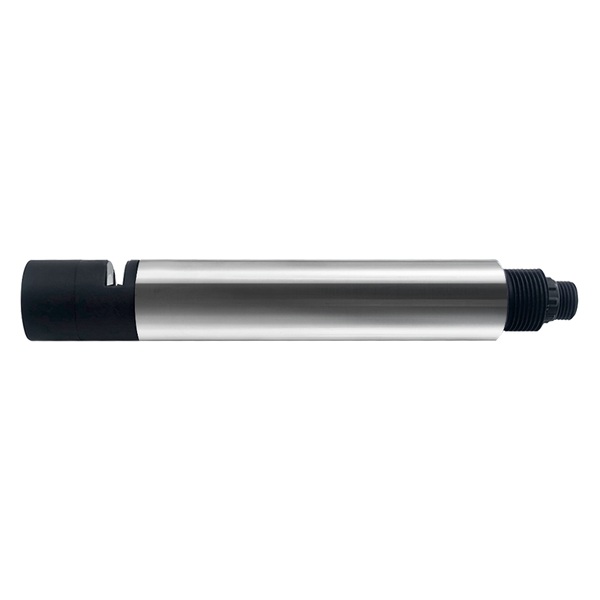
Products Description
YEX-S1PRO-COD Online COD Sensor: Stable Online Cod Monitoring for Industrial Water Quality Projects
YEX-S1PRO-COD Online COD Sensor Product Introduction
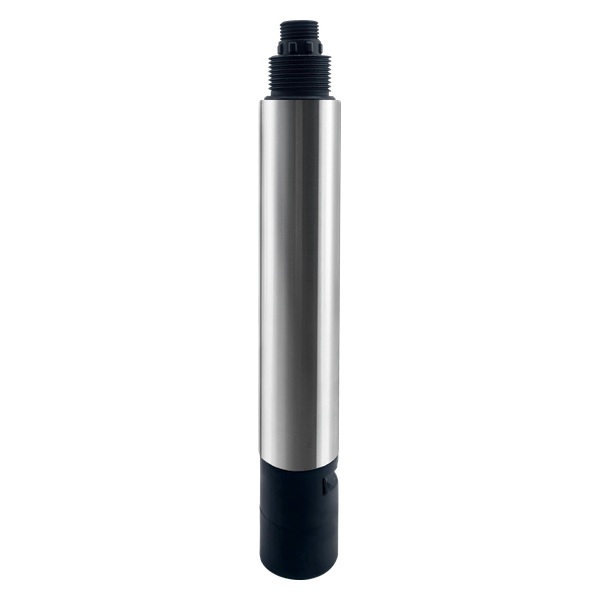
YexSensor YEX-S1PRO-COD belongs to the YexSensor S1 PRO stainless-steel sensor series. It is designed for continuous COD monitoring in natural water, industrial water, laboratory water, municipal wastewater and automated water quality systems. The sensor outputs COD, turbidity, TOC and temperature for easier process evaluation and remote data acquisition.
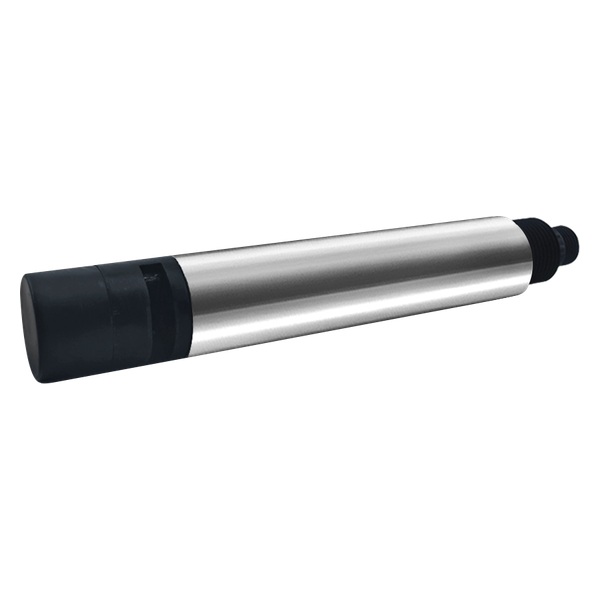
The product uses UV254 absorption method with turbidity compensation, 316L stainless steel + ABS housing and NPT 3/4 thread installation. It supports RS-485 Modbus communication, with optional 4-20mA output available according to project integration requirements.
For COD applications, the most important engineering concerns are stable readings, clear parameter interpretation and low-maintenance integration. YEX-S1PRO-COD addresses these needs by combining UV254 absorption method with turbidity compensation, +/-5%; temperature +/-0.1 C accuracy performance, 10 s response behavior and RS-485 Modbus communication in one compact probe.
S1 PRO Series Positioning and Engineering Advantages
The S1 PRO series is positioned as the upgraded high-accuracy stainless-steel sensor line. Compared with standard plastic-housing sensor configurations, this series highlights higher measurement accuracy, 316L stainless steel structure, IP68 protection, automatic temperature compensation, digital Modbus integration and optional analog output. It is suitable for system integrators who need stable field deployment, compact wiring and precise parameter reading.
The sensor is suitable for projects where COD, turbidity, TOC and temperature must be sent continuously to a PLC, RTU, data logger or cloud gateway. Digital Modbus data reduces signal attenuation over distance, while optional 4-20mA output keeps the product compatible with older analog control panels. This dual integration path helps engineering teams standardize cabinet wiring without sacrificing site flexibility.
Core Technical Highlights
316L stainless steel + ABS housing: The robust housing supports demanding field installation while keeping the probe compact for tanks, pipes and immersion points.
High-accuracy temperature channel: Temperature accuracy reaches +/-0.1 C, supporting reliable compensation and more stable COD data.
RS-485 / 4-20mA output options: Standard RS-485 Modbus output supports PLC, RTU, data logger and IoT gateway integration, while optional 4-20mA can be selected for analog systems.
UV254: UV254 absorption provides reagent-free online COD monitoring.
Built-in: Built-in turbidity compensation improves data stability in complex wastewater.
Wide Application Scenarios and System Integration Solutions
YEX-S1PRO-COD Online COD Sensor can be integrated into PLC, SCADA, RTU and water quality IoT systems. The product is suitable for repeated online measurement points where offline sampling is slow, data continuity is weak, or on-site wiring space is limited.
Municipal Wastewater Cod
Used for continuous online COD monitoring; it helps operators follow process change, discharge fluctuation and treatment efficiency in real time.Industrial Discharge Monitoring
Used for continuous online COD monitoring; it supports process control, alarm logic and compliance-oriented trend records.River Pollution Warning
Used for continuous online COD monitoring; it supports environmental trend tracking, abnormal event warning and remote station reporting.Online Water Quality Stations
Used for continuous online COD monitoring; it provides continuous online data for system control, alarms and historical trend analysis.
For engineering contractors, this means the same product can be used across new monitoring stations, retrofit control panels and OEM water quality cabinets. The digital output simplifies data mapping, while the stainless-steel construction helps improve long-term reliability in outdoor and industrial environments.
Engineering Selection, Interference and Project Acceptance
Measurement Meaning and Selection Boundary
UV254 is a reagent-free optical surrogate, not the same analytical method as laboratory dichromate COD. A site correlation should be documented before using the value for compliance decisions. Provide laboratory COD history, UV-absorbing organic profile, turbidity range, color, suspended solids, cleaning interval and the required relationship to the site laboratory method.
Installation Risk and Data Quality
The online value is based on UV absorption correlation. Water color, nitrate, suspended solids, bubbles, optical-window fouling and a change in organic composition can alter the relationship with dichromate COD.
System Integration and Alarm Design
Map the primary measurement, temperature and communication status as separate engineering tags. Configure process high/low alarms independently from communication-loss, out-of-range and rate-of-change alarms. Filtering should be limited to what the process response permits so a real step change is not hidden.
Commissioning and Acceptance
Record the sensor model, range, unit, output option, device address, baud rate and reference method. Compare simultaneous online and reference results at representative conditions, then function-test alarms, historical trends and any control interlock from probe to HMI. Acceptance should cover the complete measurement loop rather than only the local probe value.
YEX-S1PRO-COD Online COD Sensor Technical Performance Specifications
| Item | Specification |
|---|---|
| Product model | YEX-S1PRO-COD |
| Measured parameters | COD, turbidity, TOC and temperature |
| Measuring range | COD: 0-200 / 0-500 / 0-1500 mg/L, customizable; turbidity: 0-200 / 0-1000 NTU |
| Accuracy | +/-5%; temperature +/-0.1 C |
| Response time | 10 s |
| Measuring principle | UV254 absorption method with turbidity compensation |
| Power supply | 12-24 VDC, approx. 0.4 W |
| Communication | RS-485 (Modbus RTU protocol) / Optional 4-20mA, select one |
| Housing material | 316L stainless steel + ABS |
| Protection grade | IP68 |
| Temperature compensation | Automatic temperature compensation |
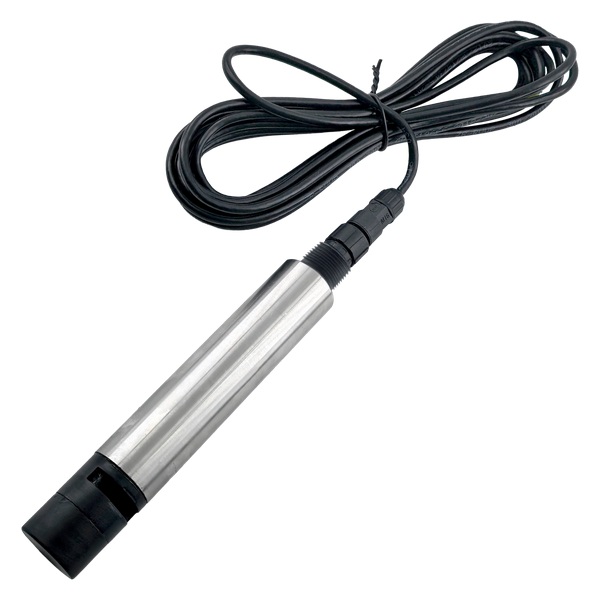
| Cable | 5 m four-core shielded cable by default |
| Installation | Immersion installation, NPT 3/4 thread |
| Operating environment | 0-50 C, non-freezing; pressure < 0.2 MPa |
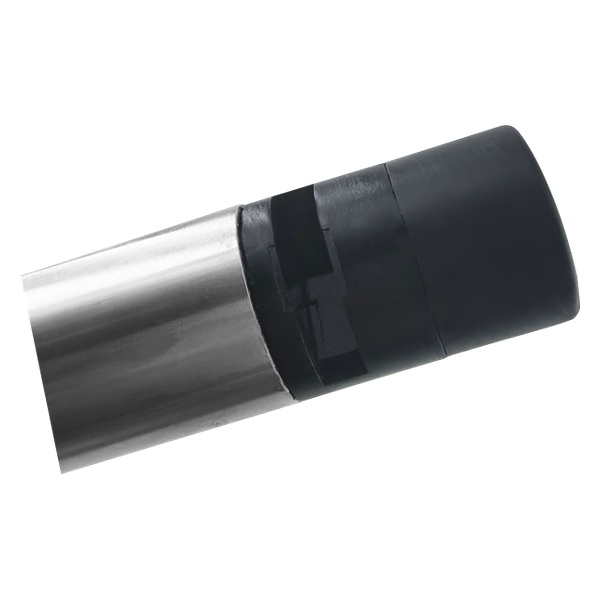
| Cleaning configuration | Optional self-cleaning function supports long-term optical window stability. |
Installation Guidance and Electrical Connection Instructions
Installation Position Recommendations
The sensor can be installed by immersion, or mounted in a pipe or tank through the NPT 3/4 thread. For electrochemical and optical sensors, avoid upside-down or horizontal installation when the application requires a stable liquid contact surface. Keep the measuring area fully immersed and avoid strong bubbles or sediment impact where possible.
Electrical Wiring
Connection reference: 1-red power positive, 2-black power negative, 3-green 485B, 4-yellow 485A, 5-optional 4-20mA output. Wire colors may vary by batch, so the connector mark or pin number should be used as the final reference.
Maintenance, Care and Calibration Guide
At least one third of the sensor should be inserted into the measured liquid so the measuring end is fully covered. Keep wiring terminals, measuring surface and aviation connector clean. Clean the measuring surface with a soft brush and avoid scratching optical windows, electrodes or membranes.
The sensor is calibrated before delivery. Calibration is not recommended unless necessary. If long-term use causes data drift, perform zero or slope calibration according to the communication protocol and site standard solution.
Frequently Asked Questions
Q1: What does YEX-S1PRO-COD measure, and what decision can the data support?
A1: YEX-S1PRO-COD uses UV254 absorption with turbidity compensation for continuous uv254 cod sensor monitoring. It is intended to support industrial wastewater, municipal influent and effluent, river pollution warning and unattended monitoring stations. Define whether the signal will be used for display, alarm, process comparison, automatic control or compliance screening, because each purpose requires different limits and verification.
Q2: What measurement limitation should engineers understand before specifying this sensor?
A2: UV254 is a reagent-free optical surrogate, not the same analytical method as laboratory dichromate COD. A site correlation should be documented before using the value for compliance decisions.
Q3: What information is required to select the correct range and configuration?
A3: Provide laboratory COD history, UV-absorbing organic profile, turbidity range, color, suspended solids, cleaning interval and the required relationship to the site laboratory method.
Q4: Which site conditions can interfere with the reading?
A4: The online value is based on UV absorption correlation. Water color, nitrate, suspended solids, bubbles, optical-window fouling and a change in organic composition can alter the relationship with dichromate COD.
Q5: Where should the sensor be installed?
A5: Choose a continuously wetted and representative point after adequate mixing. Avoid dead zones, direct chemical-injection impact, sediment accumulation and locations where bubbles collect. Keep the sensing area fully immersed and follow the NPT 3/4 mounting and orientation requirements in the supplied manual.
Q6: How should RS-485 Modbus be commissioned with a PLC or SCADA system?
A6: Verify 12-24 VDC power, A/B polarity, device address, baud rate, register order, engineering unit and decimal scaling. Create a separate communication-status alarm so a frozen or missing value is not interpreted as normal water quality. Acceptance should compare the probe display, PLC register and HMI value across the complete loop.
Q7: When should optional 4-20mA be selected?
A7: Choose RS-485 Modbus when digital values, multiple channels, diagnostics or multidrop networking are required. Choose the optional 4-20mA configuration for an existing analog-only controller or a conventional point-to-point loop. The output options are selected according to the order; confirm the mapped parameter and full-scale value before production.
Q8: What maintenance and verification routine is recommended?
A8: Inspect the sensing surface, cable, seals and connector; remove deposits using the method stated in the manual and avoid scratching optical windows, membranes or electrodes. Compare the stabilized online result with the agreed site reference after commissioning, process changes or cleaning. Recalibrate only after installation, reference-method and fouling effects have been excluded.
Quality Assurance and After-sales Service
YexSensor is committed to providing an excellent product experience.
Strict quality inspection: Each product goes through a standardized inspection process and 72-hour aging test to help ensure a defect rate below 2%.
One-year warranty: A one-year after-sales warranty is provided from the date of sale, excluding man-made damage or improper use.
Cable configuration: A 5-meter four-core shielded cable is the standard cable configuration.

