


 Chinese
 Spanish
 French
 Russian
 German
 Portuguese
 Indonesian
 Thai
Thai Vietnamese
 Arabic

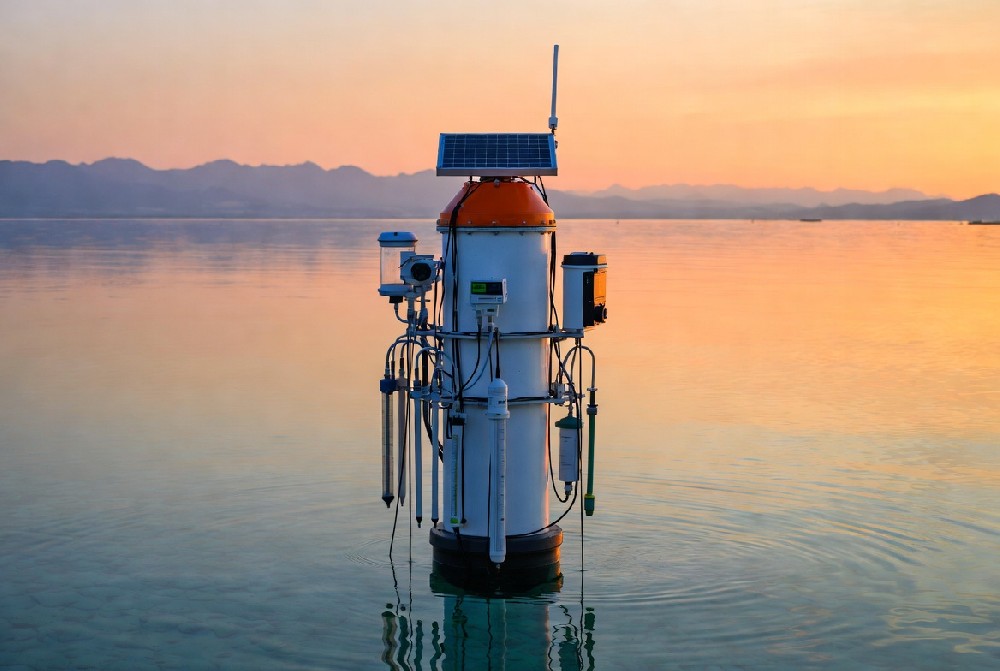
Why pH Exceedance Matters in Pond Aquaculture
Freshwater aquaculture pH is commonly managed around 6.5 to 8.5, with slightly alkaline water often preferred. When pH drops below this range, water quality may deteriorate, dissolved oxygen may decline and harmful gases such as hydrogen sulfide may become more important. When pH rises too high, gill damage and molecular ammonia toxicity become serious risks.
Pond pH is not a standalone number. It interacts with alkalinity, carbon dioxide, ammonia nitrogen, algae growth, dissolved oxygen and sediment condition. That is why pH exceedance control should combine online monitoring, process context and practical response measures.
For commercial farms and integrators, online pH monitoring helps identify daily cycles, persistent drift and sudden changes before animals show stress. It also creates data records for evaluating lime use, water exchange, algal control and feeding strategy.
How pH Changes Water Chemistry and Biological Risk
Low pH can slow organic decomposition, affect nitrifying bacteria, increase suspended solids release and increase the impact of harmful gases. It may weaken blood oxygen carrying capacity and cause physiological oxygen stress in cultured animals.
High pH can damage gill tissue and increase the conversion of ammonium-related nitrogen into more toxic ammonia. In ponds with high ammonia nitrogen, high pH is especially risky during sunny afternoon algae activity.
YEX-S1-PH uses glass electrode measurement with automatic temperature compensation and RS-485 Modbus RTU output. This allows pond pH data to be transmitted to farm platforms, RTUs, PLCs or gateways for trend analysis and alarm management.
Online pH Monitoring for Pond Response Measures
When pH is too low, farms may use lime treatment, small-step alkali adjustment or algae cultivation strategies according to professional guidance and pond condition. Online trends help confirm whether adjustment is gradual and stable.
When pH is too high, farms may exchange old water, add suitable fresh water, use approved buffering materials or apply other corrective measures under technical supervision. Online pH prevents overcorrection.
For multi-pond management, pH data should be reviewed with DO, ammonia nitrogen, weather, algal condition and feeding records. This helps determine whether pH exceedance is caused by alkalinity, algae bloom, sediment load or production management.

Key Specification and Procurement Parameters
The table below summarizes the key requirements for engineering comparison, integration, commissioning and acceptance.
| Parameter | YEX-S1-PH online pH sensor | Project meaning |
|---|---|---|
| Model | YEX-S1-PH | Online pH sensor for industrial, environmental and aquaculture monitoring |
| Housing material | ABS/PC alloy | Suitable for long-term immersion in many water quality applications |
| Measurement principle | Glass electrode method | Direct pH measurement with industrial electrode structure |
| Range and resolution | 0-14.00 pH, 0.01 pH | Covers acidic, neutral and alkaline process water |
| Accuracy | +/-0.1 pH, temperature +/-0.3 C | Supports process control and trend monitoring |
| Response time | T90 less than 30 s | Fast enough for online alarm and dosing review |
| Calibration | Two-point calibration | Allows zero and slope correction with standard buffers |
| Temperature compensation | Automatic Pt1000 compensation | Improves stability where water temperature changes |
| Output | RS-485 Modbus RTU | Connects to PLC, DCS, RTU, gateway or recorder |
| Installation | Immersion installation, 3/4 NPT, IP68 | Suitable for tanks, channels and water quality stations |
Selection and Integration Guide
Select an online pH sensor when pond decisions require trend data rather than occasional manual readings. This is especially valuable in high-density ponds, shrimp ponds, RAS and farms with frequent pH swings.
Install the sensor in representative water, away from direct chemical dosing, sediment burial, aerator bubbles and dead zones. The mounting position should allow staff to clean and inspect the electrode safely.
Set alarms with time delay and operation context. A short daily pH peak may not require the same response as a sustained high pH condition combined with rising ammonia nitrogen.
Use pH data with alkalinity and ammonia nitrogen. Response measures should not be based on pH alone when the pond chemistry is complex.
Procurement, Acceptance and Lifecycle Control
For a commercial pond aquaculture pH exceedance control project, the purchase should be defined as a monitoring loop, not as a loose probe. The deliverable should include the sensor, mounting method, sample condition, cable route, waterproof connection, power supply, communication protocol, register map, engineering unit, alarm thresholds, calibration materials, spare parts and acceptance method.
The first design question is what the pond pH value will decide. A value used for chemical dosing, aerator control, disinfection review, pond management, discharge warning or maintenance planning needs a different sampling point and alarm strategy from a value used only for operator reference.
A good site survey records the water matrix, expected concentration range, temperature range, pressure, flow, fouling level, accessibility, cabinet location, safety restrictions and maintenance owner. These details decide whether the online value remains stable after the commissioning team leaves.
System integrators should standardize Modbus address rules, baud rate, parity, register scaling, dashboard label, alarm delay, maintenance hold and communication fault status. Standardization is especially important when one platform manages multiple ponds, treatment units, factories or remote stations.
Acceptance should include a trend period, not only one comparison reading. Operators should confirm that the value responds logically to process changes, remains stable during normal conditions and can be compared with a laboratory or portable reference under the same water condition.
The dashboard should show the current value, trend, unit, alarm state, sensor status, last maintenance date and related equipment. A clean operations screen is more useful than a crowded engineering page when staff need to respond quickly.
Documentation should include installation photos, wiring diagram, Modbus register map, calibration procedure, cleaning method, spare part list, alarm settings and acceptance records. These documents protect the project when staff change or when the system is expanded later.
Maintenance should be visible in the data history. Cleaning, calibration, electrode activation, cap replacement or sensor removal should be recorded so that a maintenance event is not misread as a real water quality event.
Long-term value comes from correlating pond pH with flow, temperature, dosing state, aeration state, rainfall, feeding load, production schedule and laboratory records. A connected monitoring system explains why a value changed, not only that it changed.
Procurement teams should also define after-sales responsibility before startup. The plant should know who owns routine cleaning, who checks calibration, who keeps spare parts, who manages platform accounts and who calls for technical support when the trend becomes abnormal.
For retrofit projects, the integrator should review old cable routes, grounding, cabinet space and controller inputs before quoting. Many measurement problems are caused by weak electrical installation rather than by the sensing principle itself.
For new projects, the monitoring loop should be included in factory acceptance and site acceptance checklists. The checklist should verify sensor output, scaling, alarm output, trend storage, communication recovery after power cycling and maintenance mode.
When pond pH data is reviewed in monthly operation meetings, it becomes a management signal. Teams can compare abnormal events, maintenance notes, laboratory values and process actions to improve water quality control instead of using the instrument only as a display.
The project team should define data ownership before the system is handed over. Operators usually need real-time alarms and simple maintenance prompts, managers need trend summaries and exception reports, and engineers need raw values and configuration records. If all users see the same crowded screen, the monitoring project becomes harder to use than it needs to be.
Cyber and access management should be considered for cloud-connected or remote stations. Password policy, gateway access, user roles, data export permission and remote configuration authority should be documented. Water quality systems may look simple, but a wrong remote setting can affect dosing, aeration or alarm response.
For plants with formal quality systems, the online value should be linked to a calibration and verification record. The record should show who performed the check, what reference was used, what the before-and-after value was and whether any process action was taken. This supports audits and helps the team distinguish instrument drift from real process change.
For EPC and OEM projects, spare parts should be quoted with realistic service intervals rather than left to later negotiation. Caps, electrodes, standards, cleaning materials, waterproof connectors and one critical spare sensor can reduce downtime when the monitoring value is tied to production or compliance.
The communication design should include failure behavior. If the PLC loses a sensor, the system should show a communication fault and use a defined fallback mode instead of freezing the last value as if it were still valid. A visible fault is safer than a normal-looking stale value.
Training should be performed with the actual installed equipment. Operators should practice entering maintenance mode, removing the sensor safely, cleaning the sensing area, reinstalling it, confirming the trend and clearing alarms. A short practical training session often prevents months of avoidable service calls.
The first seasonal change after startup should be reviewed carefully. Temperature, rainfall, production load, algae activity, disinfectant demand or wastewater composition can change the baseline. Adjusting alarm thresholds after real seasonal data is normal engineering optimization.
Finally, the commercial value of pond aquaculture pH exceedance control should be measured by avoided risk and improved decisions. Fewer emergency site visits, earlier warnings, lower chemical waste, more stable discharge quality, better animal health or clearer maintenance planning are stronger success metrics than the number of sensors installed.
A useful handover meeting should include the owner, integrator, electrical contractor and operation team. Each party should confirm what was installed, which values are used for control, which values are only advisory and what action is expected for each alarm level. This prevents the common problem where a monitoring system is technically online but operationally ownerless.
The historical trend should be reviewed at several time scales. Minute-level data helps diagnose noise, mixing and response time; daily data shows operating cycles; monthly data shows drift, seasonality and process improvement. A project that stores data but never reviews it loses much of the value of online monitoring.
When the sensor is part of a dosing or equipment control loop, the control output should be tested under simulated abnormal conditions before handover. The team should verify high alarm, low alarm, communication loss, maintenance mode and power recovery. These tests are small, but they reveal whether the system will behave correctly during a real event.
Commercial buyers should ask suppliers to explain both the measurement principle and the site limitations. A responsible specification will mention pressure, temperature, pH boundary, flow condition, fouling risk, calibration needs and communication requirements. This level of detail makes comparison between quotations more meaningful.
| Integration item | Recommended practice | Risk if ignored |
|---|---|---|
| Monitoring zone | Place sensor in representative pond water | Local pH may not reflect animal exposure |
| Alarm threshold | Use warning and critical levels with delay | Nuisance alarms or delayed action |
| Ammonia context | Review pH together with NHN and temperature | Toxic ammonia risk may be underestimated |
| Correction action | Apply treatment gradually and verify trend | Overcorrection creates new stress |
| Maintenance | Keep pH bulb hydrated and clean | Drift or slow response |
Maintenance and Data Quality Management
The pH electrode should remain wet and should not be stored in distilled water. For pond service, fouling from algae and organic matter should be removed gently and regularly.
After corrective chemical treatment, mark the operation in the trend record. This helps distinguish a management action from a natural pH cycle.
Compare online pH with a portable meter or buffer check during routine farm inspection. The comparison should be made under stable sample conditions.
FAQ
Q1 What pH range is common for freshwater aquaculture?
A practical target is often 6.5 to 8.5, with slightly alkaline water preferred in many freshwater systems.
Q2 Why is low pH harmful?
Low pH can worsen water chemistry, reduce oxygen carrying ability and increase the effect of harmful gases.
Q3 Why is high pH harmful?
High pH can damage gills and increase toxic ammonia risk.
Q4 Can online pH prevent pond incidents?
It supports earlier warning and better response, especially when reviewed with DO, ammonia and weather data.
Q5 Should pH correction be fast?
No. Gradual correction and trend confirmation are safer than large sudden chemical changes.
Q6 Where should the pond pH sensor be installed?
In representative water away from dosing points, sediment, bubbles and dead zones.
Q7 Why monitor pH with ammonia?
High pH increases the toxic fraction of ammonia, so the two parameters should be interpreted together.
Q8 How does YEX-S1-PH integrate into farm systems?
RS-485 Modbus RTU output allows connection to RTUs, gateways, PLCs and farm monitoring platforms.
Summary
Pond pH exceedance control is really water chemistry control. pH affects harmful gases, ammonia toxicity, dissolved oxygen relationships, algae activity and animal stress.
YEX-S1-PH helps farms and integrators build online pH monitoring loops for pond trend analysis, alarm response and data-driven water quality management.



