Chinese
 Spanish
 French
 Russian
 German
 Portuguese
 Indonesian
 Thai
Thai Vietnamese
 Arabic


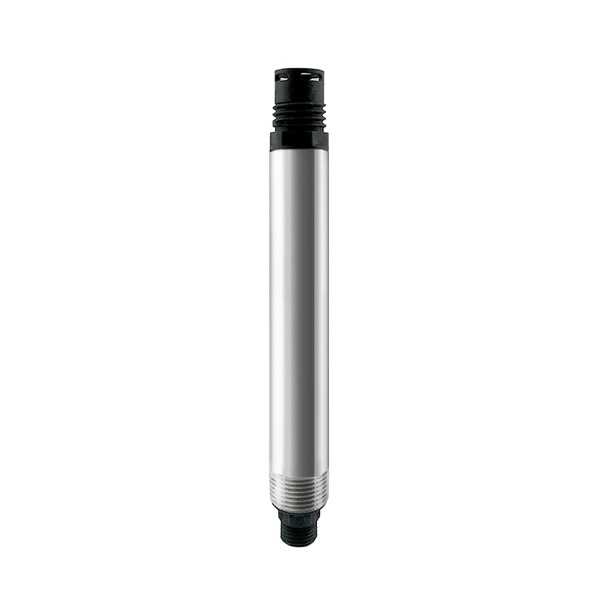
Products Description
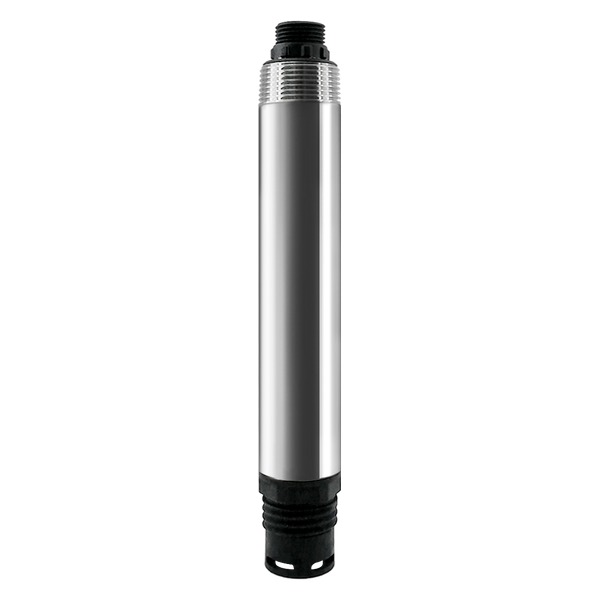
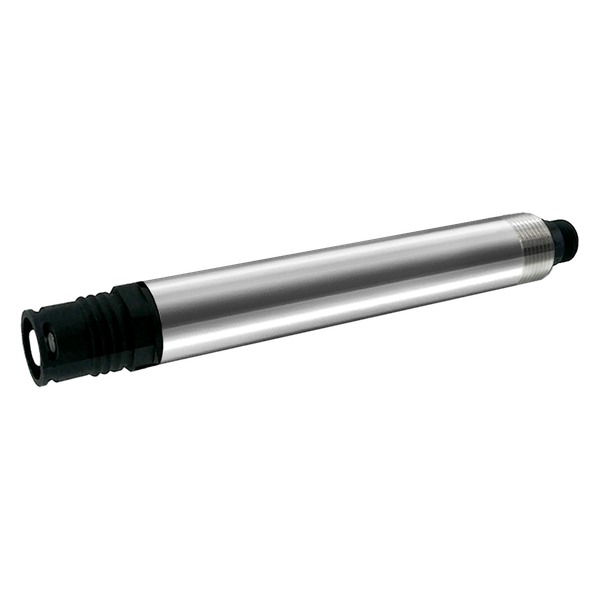
YEX-S1PRO-ECT4 4-in-1 High-Accuracy Online Conductivity Sensor: EC, Salinity, TDS and Temperature in One Probe
YEX-S1PRO-ECT4 4-Parameter Online EC / Salinity / TDS / Temperature Sensor Product Introduction
YexSensor YEX-S1PRO-ECT4 belongs to the YexSensor S1 PRO stainless-steel sensor series. It is designed for natural water, industrial water, soil conductivity monitoring, urban sewage and other online EC measurement applications. One probe can output conductivity, salinity, TDS and temperature, helping system integrators reduce sensor quantity, wiring workload and PLC/RTU channel occupation.
The sensor supports RS-485 (Modbus RTU protocol) output, with optional 4-20mA output available according to project requirements. It uses a high-stability titanium electrode, 316L stainless steel + ABS housing and 3/4 NPT pipe thread. It can be installed by immersion, or mounted in a pipe or tank for continuous online water quality monitoring.
Digital Monitoring New Benchmark: Performance Advantages Overview
The sensor is powered by 12-24V DC and communicates through RS-485 Modbus. The default communication configuration is 9600 baud rate, 1 start bit, 8 data bits, no parity and 1 stop bit. Temperature, conductivity, salinity and TDS values can be read from independent Modbus register addresses, making it easier for PLC, RTU, data logger and IoT gateway systems to collect complete water quality data.
The S1 PRO series is positioned as the upgraded high-accuracy stainless-steel sensor line. Compared with YEX-S1-EC, which focuses on conductivity and TDS monitoring with RS-485 output, YEX-S1PRO-ECT4 upgrades the measurement coverage to four parameters: conductivity, salinity, TDS and temperature. It also adds optional 4-20mA output, 316L stainless steel + ABS housing, faster 10-second response and higher temperature accuracy of +/-0.1 C. This positioning is especially valuable for projects that need high-accuracy measurement, compact multi-parameter data and precise trend monitoring in industrial water, wastewater and salinity applications.
| Comparison Item | YEX-S1-EC | YEX-S1PRO-ECT4 |
|---|---|---|
| Model positioning | Standard digital EC sensor | S1PRO 4-parameter stainless steel version |
| Measured parameters | Conductivity + TDS | Conductivity + salinity + TDS + temperature |
| Output signal | RS-485 Modbus | RS-485 Modbus / optional 4-20mA |
| Temperature accuracy | +/-0.3 C | +/-0.1 C |
| Response time | less than 30 s | 10 s |
| Housing material | Enhanced ABS / ABS+PC alloy | 316L stainless steel + ABS |
Core Technical Highlights
4-in-1 measurement output: One sensor outputs conductivity, salinity, TDS and temperature, reducing duplicate probes and simplifying water quality system architecture.
Higher temperature accuracy: Temperature accuracy reaches +/-0.1 C, supporting more reliable compensation and more stable multi-parameter data than standard EC configurations.
Wider selectable ranges: Conductivity, salinity and TDS ranges support 0-3000, 0-10000 and 0-30000 levels, with customization available for different water quality projects.
316L stainless steel + ABS housing: 316L + ABS housing material supports a robust stainless steel online conductivity sensor structure for demanding field installation.
RS-485 / 4-20mA output options: Standard RS-485 Modbus output supports direct digital integration, while optional 4-20mA output is available for analog systems.
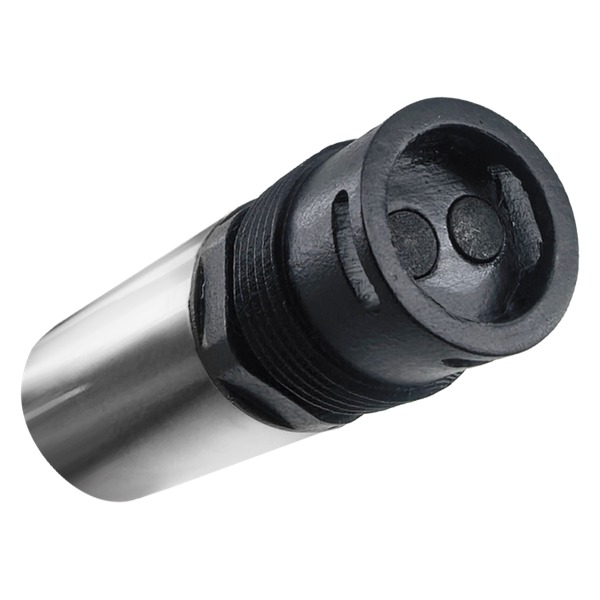
High-stability titanium electrode: The electrode structure is designed for stable online conductivity measurement, with 10-second response for real-time process tracking.
Flexible installation: 3/4 NPT thread supports immersion installation, pipe installation and tank installation.
Automatic temperature compensation: Temperature compensation helps maintain stable EC-related measurement data, while temperature itself can also be read as an independent monitoring parameter.
Wide Application Scenarios and System Integration Solutions
The product can be used where online conductivity measurement is required. Typical scenarios include natural water monitoring, industrial water monitoring, soil conductivity monitoring, urban sewage monitoring, process water monitoring and water quality system integration projects.
Natural water and environmental monitoring
Used for online EC, salinity and TDS trend monitoring in surface water and monitoring stations.Industrial water and process water
Used for continuous conductivity measurement in industrial water and process control points.Urban sewage and wastewater
Used for real-time conductivity monitoring in sewage treatment and wastewater monitoring systems.Pipe, tank and immersion installation
The 3/4 NPT thread supports installation in different engineering structures.
YEX-S1PRO-ECT4 Online Conductivity Sensor Technical Performance Specifications
| Item | Specification |
|---|---|
| Product model | YEX-S1PRO-ECT4 |
| Measurement parameters | Conductivity, salinity, TDS, temperature |
| Conductivity range | 0-3000 / 0-10000 / 0-30000 uS/cm, customizable |
| Salinity range | 0-3000 / 0-10000 / 0-30000 ppm, customizable |
| TDS range | 0-3000 / 0-10000 / 0-30000 ppm, customizable |
| Resolution | 1 (uS/cm for conductivity; ppm for salinity and TDS) |
| Accuracy | Conductivity: +/-1.5%; temperature: +/-0.1 C |
| Response time | < 10 s |
| Output signal | RS-485 (Modbus RTU protocol) / Optional 4-20mA, select one |
| Power supply | 12-24 VDC, approx. 0.4 W |
| Housing material | 316L stainless steel + ABS |
| Protection grade | IP68 |
| Operating environment | 0-50 C, non-freezing; pressure < 0.2 MPa |
| Temperature compensation | Automatic temperature compensation |
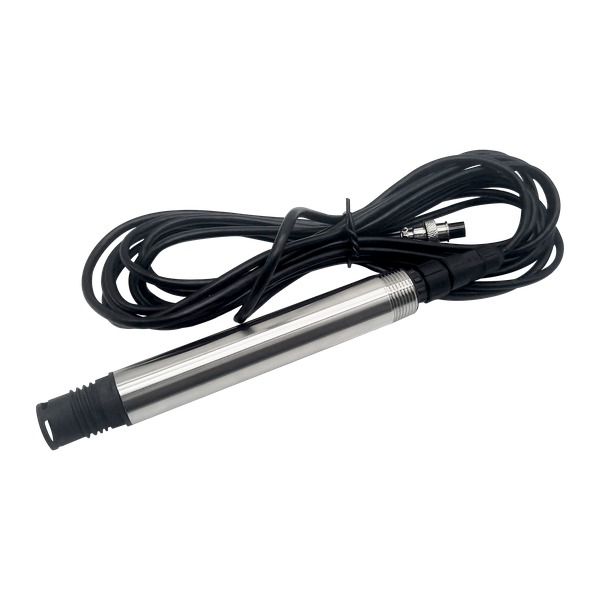
| Cable | 5 m four-core shielded cable by default |
| Installation | Immersion installation, NPT 3/4 thread |
Installation Guidance and Electrical Connection Instructions
Scientific Installation Position Recommendations
The sensor can be installed by immersion, or mounted in a pipe or tank through the 3/4 NPT thread. Because electrochemical sensors contain liquid inside, the sensor must not be installed upside down or horizontally. It should be installed at an angle greater than 15 degrees.
Standard Electrical Wiring
Connection reference: 1-red power positive, 2-black power negative, 3-green 485B, 4-yellow 485A, 5-optional 4-20mA output. Wire colors may vary by batch, so the mark or connector pin number should be used as the final reference.
Maintenance, Care and Calibration Guide
During use, at least one third of the sensor should be inserted into the measured liquid so that the liquid fully covers the electrode head and temperature measurement is more accurate. Keep the wiring terminals, electrode head and aviation connector clean. Clean the electrode head in time with a soft brush to avoid damage.
The sensor is calibrated before delivery. Calibration is not recommended unless necessary. If long-term use causes inaccurate data, calibration can be performed according to the communication protocol. Temperature calibration is written to address 0x0030, conductivity zero calibration is written to 0x0036, and conductivity slope calibration is written to 0x0038.
Frequently Asked Questions
Q1: What is the engineering value of measuring conductivity, salinity, TDS and temperature in one sensor?
A1: YEX-S1PRO-ECT4 provides one direct conductivity channel, two conductivity-derived channels for salinity and TDS, and an independent temperature channel used for compensation and process monitoring. This reduces the number of installation points and simplifies PLC integration when a project needs several conductivity-related indicators. The four values are related rather than four independent laboratory methods, so users should interpret them according to the water composition and project reference method.
Q2: How should the four values be interpreted without double-counting information?
A2: Conductivity is the primary electrical measurement. Salinity and TDS are calculated interpretations of that response, while temperature supports compensation and provides a separate process value. Use conductivity for direct ionic-strength trending, salinity where the project manages salt concentration, and TDS where treatment performance is expressed as dissolved-solids trend. Do not treat simultaneous movement in EC, salinity and TDS as three independent contamination events.
Q3: Which range should be selected for a four-parameter project?
A3: Provide minimum, normal and maximum values for conductivity, salinity and TDS, including start-up, cleaning, dosing and credible upset conditions. Available levels are 0-3000, 0-10000 and 0-30000 in the corresponding uS/cm or ppm units, with customization subject to confirmation. Select the narrowest range that covers the real process envelope; a single wide range chosen only for convenience may make small product-water changes less useful.
Q4: What Modbus data can the PLC read, and how should commissioning be performed?
A4: The register table includes temperature at 0x0006, conductivity at 0x0008, salinity at 0x000A and TDS at 0x000C. Confirm device address, 9600 baud default communication settings, A/B polarity, register order, signed/unsigned interpretation, decimal scaling and engineering units. Compare every PLC tag with the stabilized sensor value and HMI display, then test communication-loss and process alarms across the complete measurement loop.
Q5: Can YEX-S1PRO-ECT4 output all four values through 4-20mA?
A5: RS-485 Modbus is the appropriate configuration when the controller must read all four digital channels. Optional 4-20mA is an alternative order configuration for analog systems and should not be assumed to carry four independent values over one loop. State the required output, mapped parameter and full-scale range before production so the sensor and controller scaling are matched.
Q6: Where should the sensor be installed to obtain stable multi-parameter data?
A6: Install it at a continuously wetted, representative and well-mixed point using the NPT 3/4 connection for immersion, pipe or tank mounting. Keep at least one-third of the probe immersed, avoid upside-down or horizontal orientation, and prevent bubbles or sediment from collecting around the electrode. Do not place it directly in an unmixed chemical or salt-dosing plume, because one local concentration spike will affect all three conductivity-related channels.
Q7: Why can the online salinity or TDS value differ from a laboratory report?
A7: The online salinity and TDS channels are derived from conductivity and temperature compensation, while laboratory methods may use different conversion conventions, ion-specific analysis or gravimetric procedures. Water composition, units, sampling time and temperature basis can therefore create legitimate differences. During commissioning, compare simultaneous samples, record the reference method and define an acceptance relationship rather than applying an unexplained offset.
Q8: What maintenance and troubleshooting sequence is recommended?
A8: Trend all four channels and communication status, inspect the titanium electrode for coating or trapped bubbles, clean it gently with a soft brush, and check the cable and connector seals. If several channels drift together, first investigate fouling, temperature, range, PLC scaling and process mixing. Verify against a suitable reference before calibration; perform zero or slope calibration through the approved communication procedure only after persistent sensor drift has been confirmed.
Quality Assurance and After-sales Service
YexSensor is committed to providing an excellent product experience.
Strict quality inspection: Each product goes through a standardized inspection process and 72-hour aging test to help ensure a defect rate below 2%.
One-year warranty: A one-year after-sales warranty is provided from the date of sale, excluding man-made damage or improper use.
Cable configuration: A 5-meter four-core shielded cable is the standard cable configuration.