الإنجليزية
 الصينية
 الإسبانية
 الفرنسية
 الروسية
 الألمانية
 البرتغالية
 الإندونيسية
 التايلاندية
 الفيتنامية

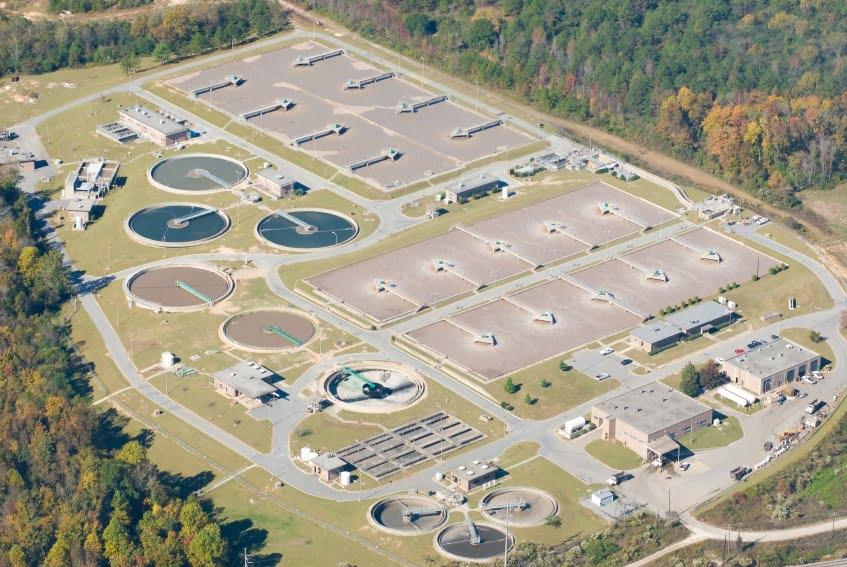
Executive Summary
For a dairy wastewater equalization tank, the most useful monitoring plan starts with one operating decision: identify cleaning chemical shock and product-loss events before downstream biological treatment is overloaded. The guidance below is written for system integrators, EPC contractors, OEM panel builders and plant teams that need a deployable monitoring point rather than a loose instrument purchase.
The practical scope should connect pH, conductivity, batch timing, CIP schedule and equalization mixing with installation position, communication, alarm ownership and maintenance records. This gives the buyer clear answers to the real project question, while still providing enough engineering detail for technical review and purchasing comparison.
Common procurement wording around this topic includes dairy wastewater monitoring, online pH sensor, conductivity sensor wastewater, industrial wastewater sensors. Those terms are useful only when they are tied to range, water matrix, service access, verification method and the decision operators will make when the value changes.
Application Context
The field condition at a dairy wastewater equalization tank is rarely as clean as a catalog example. Flow may be uneven, water chemistry may change quickly and operators may have limited time to investigate every alarm. The monitoring point should therefore be designed around the event that creates cost, risk or downtime, not around the longest possible parameter list.
In this application, identify cleaning chemical shock and product-loss events before downstream biological treatment is overloaded. That statement should guide the model, measuring range, installation method and data path. It also helps the buyer avoid overbuying, because every parameter must justify how it will change an operating action.
| Project question | Engineering answer | Procurement evidence |
|---|---|---|
| What decision must the value support? | Identify cleaning chemical shock and product-loss events before downstream biological treatment is overloaded. | Write the operating action before confirming the model. |
| Where should the value be measured? | At the dairy wastewater equalization tank where water is representative and service access is realistic. | Installation photo, flow condition and mounting note. |
| What makes the data trustworthy? | Stable pH, conductivity, batch timing, CIP schedule and equalization mixing reviewed with cleaning and comparison records. | Commissioning sheet, alarm setting and first-month trend. |
| What should be avoided? | Selecting many parameters without a response plan or maintenance owner. | Scope note showing who checks alarms and who cleans the probe. |
Monitoring Parameters That Matter
The main values to review are pH, conductivity, batch timing, CIP schedule and equalization mixing. Each value should answer a different question. If two values create the same response, one of them may be unnecessary in the first phase. If a supporting value explains why the main value changed, it may be worth including even if it is not the headline parameter.
For digital projects, RS485 Modbus RTU, 4-20 mA where required, stable power supply, correct grounding and clear register mapping should be confirmed before shipment. Many commissioning disputes come from missing accessories, unclear scaling or dashboard labels that do not match the field tag.
| Field issue | Likely cause | Practical response |
|---|---|---|
| Value changes suddenly | Real process event, sample interruption or communication scaling error. | Compare with site activity, manual value and controller display. |
| Trend drifts slowly | Probe coating, aging consumable, water matrix shift or weak cleaning routine. | Clean, record before-and-after values and verify against the same water. |
| Alarm repeats without action | Threshold too tight, no delay, wrong point name or no response owner. | Separate warning and critical limits, then assign responsibility. |
| Buyer cannot compare quotations | Accessories, controller setup and service materials are not listed consistently. | Compare complete monitoring point readiness, not only model names. |
Installation and Data Acquisition
Installation quality decides whether the data can be trusted. A probe installed at the wrong depth, near a chemical injection point, in a bubble zone or where staff cannot clean it may generate numbers that look precise but do not support the dairy wastewater equalization tank decision. The project should collect photos, flow direction and service-clearance notes before final quotation.
Data acquisition should be checked end to end. The value at the probe, controller, PLC, RTU and cloud page should use the same unit and scaling. Alarm delay, missing-data behavior, maintenance hold and fault code display should be tested during handover, not after the first abnormal event.
| Evidence to keep | Why it matters | How often to review |
|---|---|---|
| Baseline trend | Shows normal operating range before alarms are tightened. | First two to four weeks after startup. |
| Cleaning record | Separates real water movement from fouling or coating. | Each service visit. |
| Manual comparison | Gives confidence when operators question the online value. | During commissioning and after abnormal events. |
| Alarm response note | Shows whether the monitoring point changed operation. | After each warning or monthly review. |
Project Acceptance Notes
A strong handover file is short, practical and repeatable. It should show what was installed, where it was installed, how it communicates, how it is verified and what the operator should do when a warning appears. This is also the information that later helps the supplier diagnose problems quickly.
The first month should be treated as the learning period. Operators should compare baseline trend, abnormal events, cleaning records and manual checks. After that review, alarm limits and maintenance intervals can be tightened to match real site behavior instead of assumptions made during procurement.
YexSensor Product Fit
For this dairy wastewater equalization tank application, product selection should stay focused on the decision and water matrix. The following YexSensor options are relevant starting points, but the final package should still be confirmed against range, cable length, mounting accessories, controller needs and maintenance access.
| Product name | Product image | Main specification | Best-fit use |
|---|---|---|---|
| YEX-S1-PH industrial acidity sensor |  | RS485 Modbus RTU, 12-24V DC, IP68, 0.00-14.00 pH | neutralization, dosing protection, aquaculture chemistry and industrial wastewater review |
| YEX-S1-EC conductivity sensor |  | RS485 Modbus RTU, 12-24V DC, IP68, 0-5000 uS/cm, TDS 0-3000 mg/L | source change warning, salinity trend, rinse water and reuse water control |
Procurement Checklist
- application and water matrix
- expected normal, warning and upset range
- installation location and mounting method
- power supply and communication protocol
- controller or gateway requirement
- alarm logic and response owner
- cleaning and verification routine
- spare parts and acceptance records
For dairy wastewater monitoring, buyers should compare the complete monitoring point. A low sensor price is not useful if the package misses brackets, cable, controller setup, verification materials or support documents. A complete scope reduces commissioning delay and makes future maintenance easier.
For the dairy wastewater equalization tank, long-term review should connect trend movement with operator notes, maintenance timing and the reason for each alarm response. This makes the monitoring point more valuable than a one-time acceptance display because future teams can understand what happened, what was checked and whether the same event is likely to return.
FAQ
Q1. Why does dairy wastewater equalization tank need online trend data instead of only manual testing?
Manual testing is useful, but it only captures one moment. At a dairy wastewater equalization tank, the operating condition can change between sampling rounds because flow, load, chemistry, weather, cleaning or equipment status changes. Online trend data helps operators see direction, duration and recovery. That is what turns pH, conductivity, batch timing, CIP schedule and equalization mixing into a practical management tool rather than a disconnected number.
Q2. Which parameter should be treated as the first priority?
The first priority is the value that supports the clearest action: identify cleaning chemical shock and product-loss events before downstream biological treatment is overloaded. If one parameter cannot explain the event alone, add supporting values only when they improve diagnosis. A compact package with a clear response plan is usually stronger than a long list of measurements with no maintenance owner.
Q3. Where should the measuring point be located?
The point should represent the water condition that drives the decision. In a dairy wastewater equalization tank, convenience is not enough. The probe should avoid dead zones, direct chemical injection, trapped bubbles, settled solids and unsafe service positions. A good location also allows cleaning, comparison and cable protection without stopping normal operation.
Q4. How should alarm limits be set after commissioning?
Start with conservative warning limits, collect baseline data and then refine thresholds after the first operating period. Alarm design should include delay, recovery value, maintenance mode and responsible person. This prevents teams from ignoring alarms that are too frequent or reacting too late when a real event develops.
Q5. What mistakes cause unreliable data?
Common mistakes include poor mounting, no cleaning schedule, no comparison method, unclear Modbus scaling, wrong units, and failure to mark service events on the trend. The measurement may be technically correct at the probe face but operationally misleading if the dairy wastewater equalization tank is not represented well.
Q6. What should be included in a professional quotation?
The quotation should list the sensor or analyzer, range, output signal, cable length, mounting method, controller or gateway, communication protocol, calibration or verification materials, spare parts and commissioning support. This helps the buyer compare complete project readiness instead of comparing only unit price.
Q7. How can the system remain useful after handover?
The operator needs a simple routine: inspect the probe, clean when needed, compare against a documented method, review alarms, record maintenance and keep screenshots of abnormal events. Long-term value comes from repeatable records, not from a display that only looks active during acceptance.
Q8. When should YexSensor be involved before the final order?
YexSensor should be involved when the buyer can share application details, expected range, installation photos, communication needs and maintenance constraints. Those details allow the recommendation to match the real dairy wastewater equalization tank, including accessories and service expectations, rather than forcing a standard package into a difficult point.
Summary
A reliable monitoring plan for a dairy wastewater equalization tank is built around the operating decision, not around a crowded instrument list. The strongest design connects pH, conductivity, batch timing, CIP schedule and equalization mixing with representative placement, stable communication, realistic alarms and a service routine that the site team can actually maintain.
For buyers comparing dairy wastewater monitoring, online pH sensor, conductivity sensor wastewater, the best specification is the one that answers practical questions clearly: what should be measured, why it matters, where it should be installed, how the data will be verified and what evidence remains after handover. That structure is easier for engineers to trust and easier for procurement teams to use.
YexSensor can support these projects with online probes, controller integration, RS485 Modbus communication, installation guidance and application-based product selection. The goal is a monitoring point that remains useful after startup: stable trend, clear alarms, predictable maintenance and enough records for future troubleshooting or expansion.